

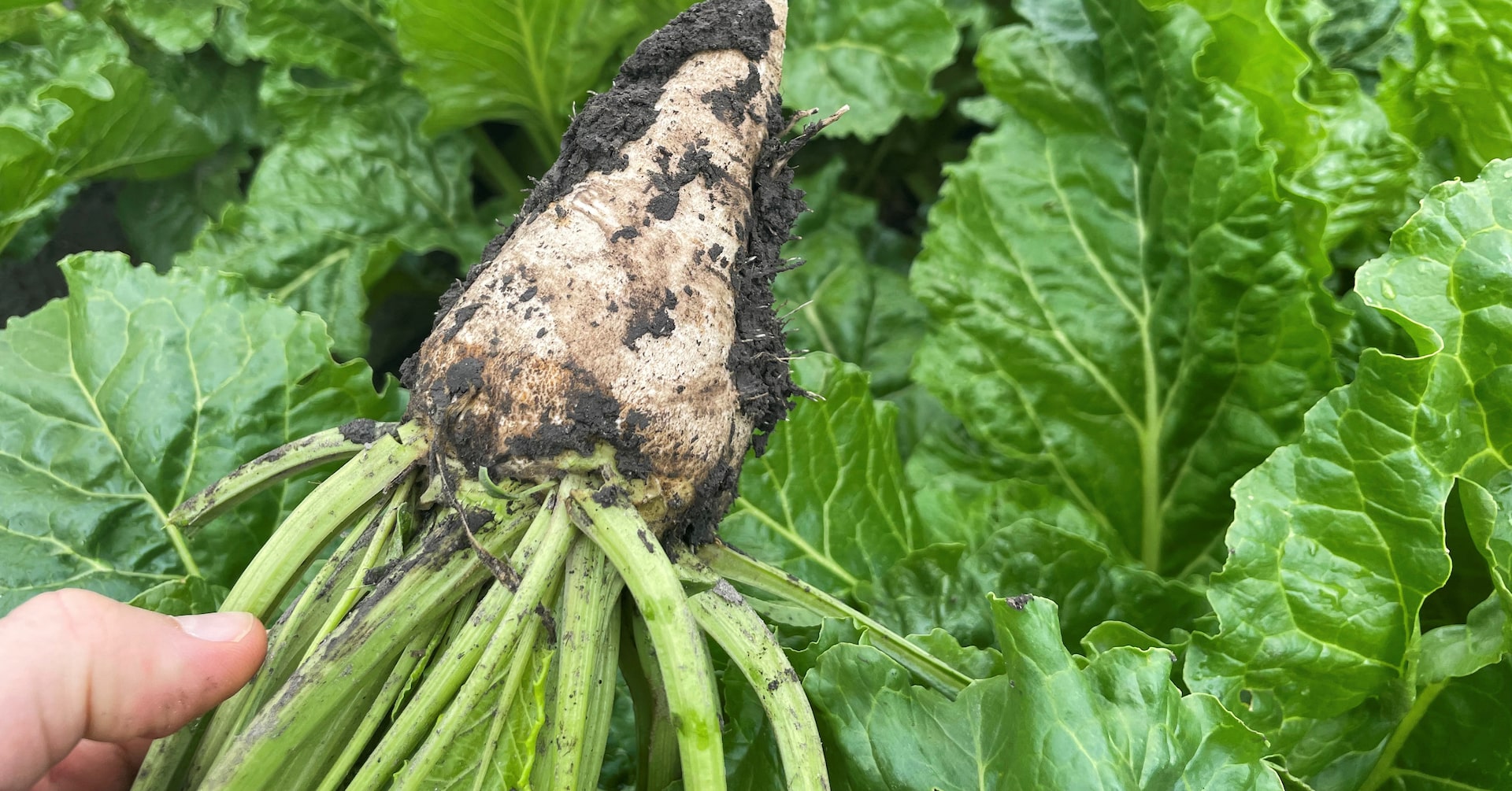
In a dramatic shift for American sugar beet farmers, the once-reliable crop is facing unprecedented challenges. Traditionally, sugar beets accounted for more than half of domestically produced sugar, providing a steady income for growers insulated from the fluctuations of crops like corn and soybeans. However, 2023 has presented a perfect storm of declining sugar consumption and rising imports that have upended this stability.
The U.S. is experiencing a sharp drop in sugar consumption, which began in the 1990s with the rise of artificial sweeteners and has recently accelerated. Inflation has curtailed household spending on sugary products, compounded by the increasing popularity of GLP-1 weight-loss drugs, such as Wegovy and Ozempic. These medications have been linked to significant reductions in consumer spending on candy and baked goods — 6% and 10% less, respectively, according to a study by OC&C Strategy Consultants. Currently, nearly 9% of Americans are using these weight-loss treatments.
Further aggravating the situation is criticism from public health figures. Health Secretary Robert F. Kennedy Jr. labeled sugar and processed foods containing it as “poison” in a statement made in April. This sentiment aligns with the findings from the inaugural report of the Make America Healthy Again commission, which frequently highlighted the dangers of added sugars, particularly in relation to rising obesity and diabetes rates among children.
Robert Johansson, former USDA chief economist and now director of economic policy analysis at the American Sugar Alliance, noted that changing consumer habits meant food manufacturers needed less sugar, directly affecting beet growers.
This year, farmers have reduced their sugar beet planting to the lowest levels since 1982. A notable example is the Southern Minnesota Beet Sugar Cooperative, which plans to close its nearly century-old processing plant in Brawley, California, citing factors like intense import competition, inflation following the pandemic, plummeting sugar prices, and broader economic uncertainty.
While sugar beet growers argue that moderate sugar consumption is healthful, they urge that the focus should be on artificial sweeteners instead. Michigan farmer Clint Hagen noted, “You need to consume it in moderation, just like anything else. Our product’s natural. We’ll let the science dictate that.”
However, Hagen also faces tightening financial circumstances, leading him to postpone essential equipment upgrades. He laments the necessity of producing sugar beets, as his shares in a farmer-owned sugar processing business require him to meet specific beet quotas. “If you’re sick and tired of sugar beets right now and you want out, you need to find somebody to buy those acres away from you,” he warned.
Despite the sugar industry’s protective measures, including stringent import controls to discourage foreign sugar sales, American farmers are not shielded from market volatility. Domestic sugar meets around 75% of U.S. consumption needs, 54% of which comes from beets. Minnesota and North Dakota are crucial states for sugar beet production, with an estimated 3,000 to 4,000 farms cultivating them across the northern U.S. and West Coast.
Meanwhile, Hagen is harvesting his drought-affected crop near Ubley in Michigan, hoping to offset increased production costs that have surged 30% over recent years. Rising labor, fuel, and chemical costs, exacerbated by tariffs on imported materials, have pushed his expenses as high as $1,500 per acre, a significant jump compared to previous years. “Sugar beets require the most fertility, the most specialized equipment, the most crop care,” he explained, noting he needed up to eight treatments for plant disease this summer, more than double the previous requirement.
In beet country, Neil Rockstad, a farmer from Ada, Minnesota, is preparing to harvest. He usually counts on sugar beets to provide economic resilience amid fluctuating revenues from corn and soybean markets. But with rising operational costs and insufficient profit margins, he is increasingly reliant on crop insurance and government assistance to cover losses. “Knowing that you put all that time and work into it and aren’t going to pull any profit out of it… it’s frustrating,” he admitted.
In Idaho, where sugar beets are also a significant crop, farmer Galen Lee shares similar concerns. “I think break-even would be the best on sugar beets. And usually they’re the crop that helps carry the mortgage for everything else and pay the bills,” he said.
Lee cultivates sugar beets on about a fifth of his 1,300-acre farm, alongside various other crops. He opts to rent older harvesting equipment to mitigate costs, as new machinery has become prohibitively expensive due to tariffs. Government financial assistance and crop insurance have provided some relief, but future aid from the White House remains uncertain and insufficient to cover the entire spectrum of operational expenses.
Overall, without an anticipated $40 billion in government aid this year, farmer incomes would decline for a third consecutive year, showing how severely the agricultural sector is being tested. “These programs are not designed to allow you to make a profit,” Lee noted. “They’re designed to keep you from bleeding quite so badly.”
As U.S. sugar beet farmers grapple with a changing landscape, they remain hopeful that the fluctuations in consumer behavior and economic pressures will stabilize, allowing them to persist through these challenging times.