


By using this site, you agree to the Privacy Policy and Terms of Use.
Accept
December 6, 2025 11:08 PM EST
Medical Herald
Search
  • Health Conditions
    Health ConditionsShow More
    Diet Drinks Linked to Increased Liver Disease Risk, Study Finds
    Health Conditions
    Experts Urge Rethink on Prediabetes Diagnosis and Treatment
    Diabetes
    Study Highlights Rising Heart Risks in Pregnant Women
    Pregnancy & Parenting
    ‘New Mom School’ Helps Women Through Postpartum Challenges
    Pregnancy & Parenting
    Beware of Counterfeit Weight Loss Drugs Sold Online
    Weight Management
  • Wellness & Self-Care
    Wellness & Self-CareShow More
    Aflac Survey Reveals Surge in Worker Burnout and Anxiety
    Mental Health
    Dr. Cassandra M. Klyman: A Distinguished Leader in Psychiatry, Psychoanalysis, and Mental Health Policy
    Mental Health
    Heart Health: Simple Daily Habits for Everyone
    Heart Health
    Introducing the Hormometer: Track Cortisol at Home
    Wellness & Self-Care
    First Responders Turn to Ketamine for Mental Health Relief
    Mental Health
  • Nutrition & Fitness
    Nutrition & FitnessShow More
    Fibermaxxing: The Rising Trend in Nutritional Focus
    Diet & Nutrition
    Gutzy Organic Launches Healthy Prebiotic Protein Smoothies
    Diet & Nutrition
    Achieve Your Nutrition Goals with Nourish and Insurance
    Nutrition & Fitness
    Delicious Roasted Salmon with Olives from Dan Pelosi
    Healthy Recipes
    Short Exercise Bursts: A New Trend in Fitness?
    Fitness
  • Innovation
    InnovationShow More
    Dr. Hosen Kiat: Advancing the Frontiers of Cardiovascular Science
    Innovation
    FDA Issues Warning for J&J and Legend’s Cancer Treatment Carvykti
    Drugs & Medications
    GLP-1 Medications Transform Health and Household Budgets
    Drugs & Medications
    Drug Tied to Fatal Crashes and Risks of Weight-Loss Pills
    Drugs & Medications
    GLP-1 Medications Like Ozempic May Affect Medical Scan Results
    Drugs & Medications
  • News
    NewsShow More
    New Leadership at Parenting Resource Center in Austin
    News
    Advances in Nigeria’s Real-Time NTD Treatment Reporting System
    News
    WIC Program Secures $300M Amid Government Shutdown Concerns
    News
    Guy Benson Shares Early Cancer Diagnosis and Encourages Skin Checks
    News Skin Care
    Congress Stalemate Threatens Health Insurance for Millions
    News
Font ResizerAa
Medical HeraldMedical Herald
  • Health Conditions
  • Wellness & Self-Care
  • Nutrition & Fitness
  • Innovation
  • News
Search
  • Health Conditions
  • Wellness & Self-Care
  • Nutrition & Fitness
  • Innovation
  • News
Follow US
Copyright © 2025, Medical Herald. All Rights Reserved.
Home » Wellness & Self-Care » Mental Health » Five Mental Health Myths You Should Challenge

Five Mental Health Myths You Should Challenge

By Samuel Lee
Published: October 1, 2025
Share


Contents
  • 1. Psychotherapy focuses on mental illness, not everyday life challenges.
  • 2. Mental health should be viewed through the lens of agency, not identity.
  • 3. Therapists bring their values into the therapeutic space.
  • 4. Not all hardships are traumatic.
  • 5. The language of therapy can heal or harm.

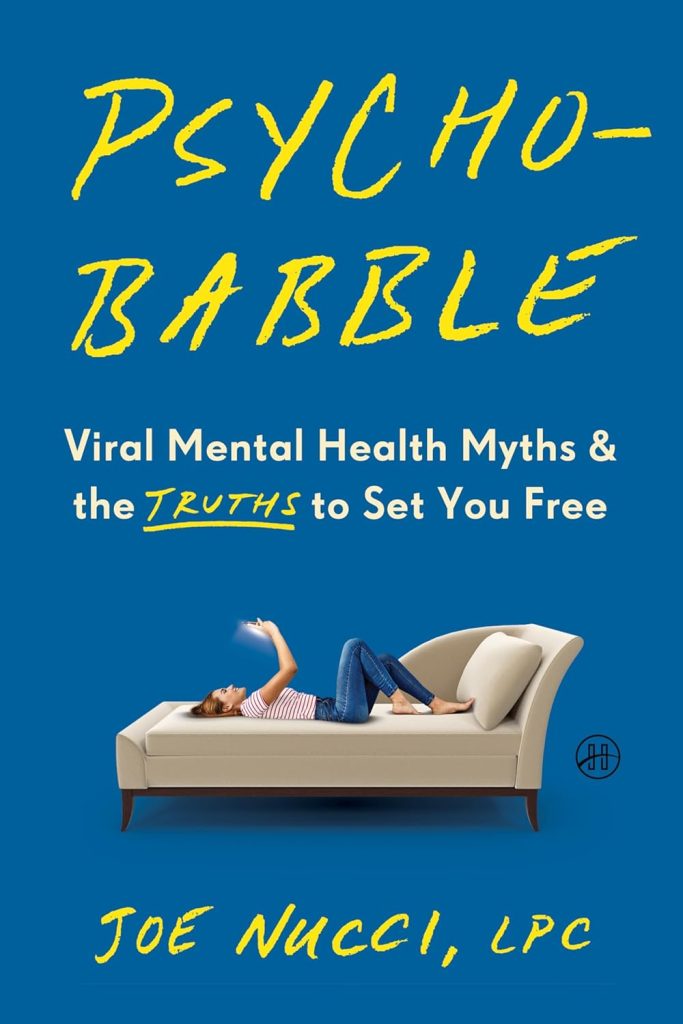
In his latest book, Psychobabble: Viral Mental Health Myths & the Truths to Set You Free, licensed psychotherapist Joe Nucci sheds light on persistent misconceptions surrounding mental health. Nucci, who has garnered a substantial following with over 10 million views on his videos at @joenuccitherapy, seeks to debunk myths that may hinder individuals from obtaining the help they need.

The core message of Psychobabble is to replace common mental health fallacies with insights that empower readers. Nucci emphasizes that while therapy has gained acceptance, certain cultural assumptions can obstruct genuine healing and personal growth.

1. Psychotherapy focuses on mental illness, not everyday life challenges.

Nucci asserts that therapy is effective but limited. As mental health discussions have become more mainstream, there has been a tendency to view therapy as a universal solution not only for mental illnesses like depression and addiction but also for general life challenges. People often believe therapy can help them become the ideal partner or parent.

However, Nucci points out that therapy cannot eliminate all life’s struggles. Misleadingly marketed as a panacea, therapy also has its place for those wanting to tackle subclinical issues—such as relationship troubles or life transitions. Understanding the distinction between needing therapy and merely benefiting from it can significantly enhance how individuals approach their mental health journey.

2. Mental health should be viewed through the lens of agency, not identity.

The rise of therapy culture has led many to adopt mental health conditions as part of their identity, akin to a badge of honor. Nucci illustrates this through a patient’s experience: highly articulate about her psychological history, she was nonetheless stagnant in her healing journey.

The goal should not be self-identification but rather active transformation—addressing attachment styles or optimizing neurodiversity. As Nucci puts it, “Diagnosis is a doorway, not a destination.” Holding onto a diagnosis without fostering personal growth ultimately stifles one’s ability to move forward in life.

3. Therapists bring their values into the therapeutic space.

While therapists are trained to be nonjudgmental, Nucci warns that this does not equate to being devoid of values. Every therapist operates through their worldview shaped by personal experiences and beliefs. A competent therapist should acknowledge this perspective while remaining open to the client’s differing views. The risk lies in some therapists allowing their worldviews to influence their patients’ healing processes inappropriately.

Nucci cautions against therapists who may prioritize their agendas—be it political or philosophical—over their client’s unique circumstances. A truly skilled therapist balances self-awareness and respects their client’s individual journey.

4. Not all hardships are traumatic.

Nucci stresses the importance of discerning between genuine trauma and everyday struggles. Trauma is not a universal response; two people can experience the same distressing event yet react differently. The concept of trauma response, he explains, relates to one’s current relationship to past events.

By categorizing all adversities as trauma, we risk oversimplifying complex emotional experiences. Nucci contends that terms like ‘disappointment’ or ‘heartbreak’ are not necessarily indicative of trauma, and conflating them could impede our resilience. This narrative can ultimately serve therapists seeking patients, but it may not empower individuals to confront their challenges independently.

5. The language of therapy can heal or harm.

Nucci notes that naming experiences can bring about healing. Many people find relief in articulating their pain, having a concrete expression of what they’ve endured. Yet, he cautions that language can also serve as a shield, concealing deeper issues behind psychological jargon. For instance, terms like “gaslighting” can be misused to describe mere disagreements, while statements about needing to “draw a boundary” may mask avoidance of difficult conversations.

Therapeutic language should facilitate connection, not disconnection. Nucci compares mastering therapeutic concepts to learning a new language: early on, it’s essential to grasp the grammar and meaning, but over time, it’s more about how these concepts enhance communication and understanding.

By challenging these five myths, Nucci aims to provide tools for a more informed and empowered approach to mental health. His insights encourage individuals to navigate the complexities of therapy and healing with clarity and confidence.Mental Health

TAGGED:Joe NucciMental Health
Share This Article
Facebook LinkedIn Email Copy Link
Leave a Comment

Leave a Reply Cancel reply

Your email address will not be published. Required fields are marked *

HOT NEWS

Aflac Survey Reveals Surge in Worker Burnout and Anxiety

December 4, 2025

New Leadership at Parenting Resource Center in Austin

Crystal Vandevender joins PRC Austin as executive director, bringing strong leadership and a renewed vision…

December 4, 2025

Dr. Cassandra M. Klyman: A Distinguished Leader in Psychiatry, Psychoanalysis, and Mental Health Policy

Dr. Cassandra M. Klyman’s influential career spans psychiatry, psychoanalysis, education, and mental health policy, shaping…

November 28, 2025

Dr. Hosen Kiat: Advancing the Frontiers of Cardiovascular Science

Dr. Hosen Kiat, a leading cardiologist and researcher, is redefining heart care through innovation in…

November 11, 2025

YOU MAY ALSO LIKE

Why Founders Often Fail to Embrace Their Own Culture

Healthy workplace cultures start with healthy leaders. Founders must model the self-care and balance they want their teams to embrace.

November 3, 2025

Boost Your Mental Health with Low-Impact Workouts & Diet Tips

Embrace a healthy October with low-impact workouts, energizing meals, and tips to manage emotional eating—all designed to uplift body and…

October 2, 2025

Mariah Antetokounmpo Shares Journey Through Postpartum Depression

Mariah Antetokounmpo reveals her journey through postpartum depression after her fourth child’s birth, encouraging honesty and mental health awareness.

October 7, 2025

Jewel Reflects on Fame and Mental Health Advocacy Journey

Jewel expands her #NotAloneChallenge, promoting free mental health tools and reflection on her healing journey through music, mindfulness, and self-care.

October 28, 2025

Medical Herald is your trusted source for medical news, scientific research, health policy updates, and expert insights from around the world. 

Category

  • Health Conditions
  • Wellness & Self-Care
  • Nutrition & Fitness
  • Innovation
  • News
  • Privacy Policy
  • About Us
  • Contact

Follow US: 

  • Grow Big Agency Sites:
  • London Business Journal
Copyright © 2025, Medical Herald. All Rights Reserved.
Welcome Back!

Sign in to your account

Username or Email Address
Password

Lost your password?