
By using this site, you agree to the Privacy Policy and Terms of Use.
Accept
February 8, 2026 10:54 PM EST
Medical Herald
Search
  • Health Conditions
    Health ConditionsShow More
    Understanding the Key Difference Between PCOD vs PCOS: What Every Woman Should Know
    Understanding the Key Difference Between PCOD vs PCOS: What Every Woman Should Know
    Health Conditions
    Diet Drinks Linked to Increased Liver Disease Risk, Study Finds
    Health Conditions
    Experts Urge Rethink on Prediabetes Diagnosis and Treatment
    Diabetes
    Study Highlights Rising Heart Risks in Pregnant Women
    Pregnancy & Parenting
    ‘New Mom School’ Helps Women Through Postpartum Challenges
    Pregnancy & Parenting
  • Wellness & Self-Care
    Wellness & Self-CareShow More
    Herbal Foot Baths: Ancient Practice Gains Modern Wellness Traction
    Wellness & Self-Care
    Boosting Immunity: The Power of Holistic Approaches
    Healthy Living
    Understanding Major Causes of Death in America
    Healthy Living
    Study Links Chatbot Use to Increased Symptoms of Depression
    Mental Health
    Transforming Anxiety and Stress into Joy and Fulfillment
    Wellness & Self-Care
  • Nutrition & Fitness
    Nutrition & FitnessShow More
    Shilajit Benefits
    Shilajit Benefits: Ancient Himalayan Secret for Energy, Brain Health, and Longevity
    Nutrients & Supplements
    Affordable Grain-Based Dishes for a Healthier Diet
    Healthy Recipes
    Understanding Prebiotics and Probiotics for Better Health
    Nutrition & Fitness
    Minnesota Health Officials Warn of Salmonella in Supplements
    Nutrients & Supplements
    Fibermaxxing: The Rising Trend in Nutritional Focus
    Diet & Nutrition
  • Innovation
    InnovationShow More
    Weight-Loss Drugs Require Lifelong Use, New Study Indicates
    Drugs & Medications
    Structure Therapeutics Faces Challenges with Weight-Loss Treatments
    Drugs & Medications
    Dr. Hosen Kiat: Advancing the Frontiers of Cardiovascular Science
    Innovation
    FDA Issues Warning for J&J and Legend’s Cancer Treatment Carvykti
    Drugs & Medications
    GLP-1 Medications Transform Health and Household Budgets
    Drugs & Medications
  • News
    NewsShow More
    Challenging the 1918 Influenza Pandemic Narrative on BrightU
    News
    Brazilian Fitness Influencer in Coma After Diving Accident
    News
    Chelsea Handler Declares Love for Drugs and Dismisses Sober Dating
    News
    New Leadership at Parenting Resource Center in Austin
    News
    Advances in Nigeria’s Real-Time NTD Treatment Reporting System
    News
Font ResizerAa
Medical HeraldMedical Herald
  • Health Conditions
  • Wellness & Self-Care
  • Nutrition & Fitness
  • Innovation
  • News
Search
  • Health Conditions
  • Wellness & Self-Care
  • Nutrition & Fitness
  • Innovation
  • News
Follow US
Copyright © 2025, Medical Herald. All Rights Reserved.
Home » Wellness & Self-Care » 3 Yoga Poses That Could Increase Your Stroke Risk

3 Yoga Poses That Could Increase Your Stroke Risk

Liam Fraser
By Liam Fraser
Published: September 26, 2025
5 Min Read
Share

Yoga is often celebrated for its ability to enhance strength, improve posture, and lower the likelihood of chronic illnesses. However, a notable warning has emerged from the medical community regarding certain yoga poses that may increase the risk of strokes — serious medical events that occur when blood flow to the brain is disrupted.

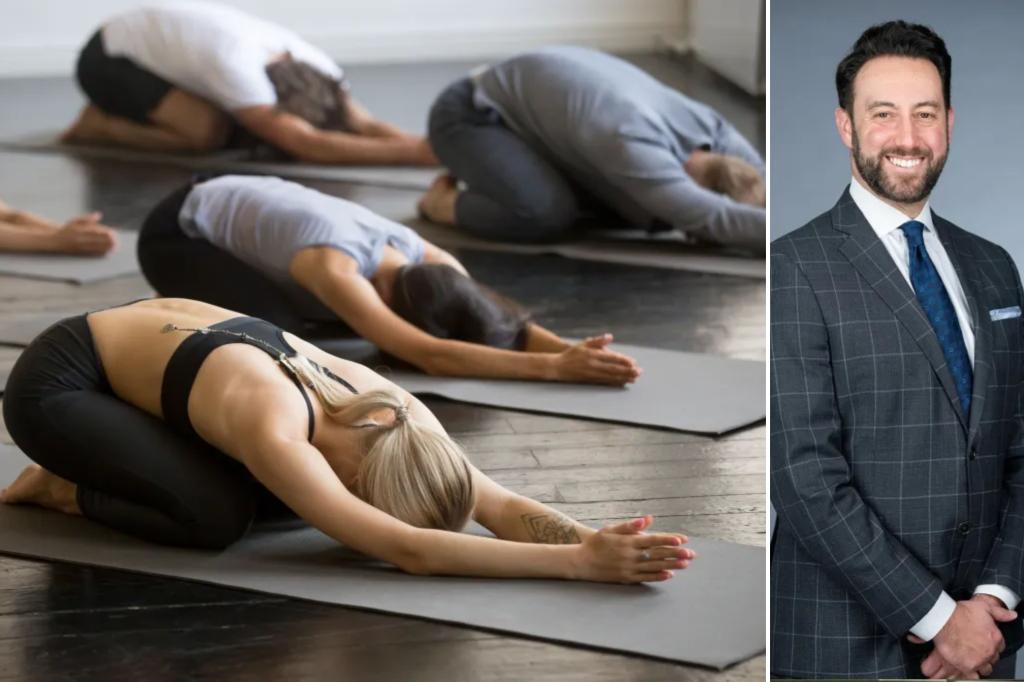
Dr. Jeremy M. Liff, a neurologist with multiple board certifications and an esteemed member of the Society of Neurointerventional Surgery at NYU Grossman Long Island School of Medicine and Northwell Lenox Hill, shed light on this concerning issue. He explained, “Ironically, certain types of yoga can be helpful in aiding motor recovery following stroke. However, other yoga poses can potentially cause strokes by injuring the arteries that run from the neck to the brain.”

One specific condition that can lead to a stroke is called cervical arterial dissection, marked by a tear in the wall of a neck artery. This injury can allow blood to enter the damaged area, leading to a clot that may travel to the brain and cause a stroke. According to medical professionals, this condition accounts for approximately 1% to 2% of all strokes and can rise to 25% of strokes among young and middle-aged individuals. A 2022 case report detailed the experience of a 63-year-old man who suffered an arterial dissection after practicing yoga, underscoring the dangers associated with specific poses.

Research indicates that spontaneous carotid artery dissection — a form of cervical artery dissection — can occur due to various factors, including hyperextension of the neck during yoga, excessive alcohol consumption, or even activities as seemingly harmless as intense coughing and vomiting. This information was addressed in an April study published in the Annals of Vascular Surgery.

Particularly, yoga poses that require extreme neck extension or place significant weight and pressure on the head may pose serious risks, especially for older individuals or those with existing cervical spine conditions, as highlighted by Dr. Liff.

Here’s a closer look at three yoga moves that have been directly linked to stroke incidents:

1. **Wheel Pose**
In 1973, one of the first case reports documenting stroke risk associated with yoga described a 28-year-old woman who experienced a narrowing of her left vertebral artery and subsequently suffered a stroke after practicing the “wheel” pose. This deep backbend, also known as upward bow or Urdhva Dhanurasana, is intended to open the chest, shoulders, and hips while simultaneously strengthening the arms, legs, spine, and core.

2. **Fish Pose**
Known in Sanskrit as Matsyasana, the “fish” pose involves a reclining back-bending motion. Physical therapist Susan Eaton recalled an advanced version of this pose that inadvertently increased the weight on her neck. She remarked, “It’s a hyperextended neck pose that as a physical therapist I later questioned. I had done this pose before, but this time I was uneasy, as though I knew I might be pushing myself to the edge.” Just four days later, she suffered from a stroke due to a torn left carotid artery.

3. **Hollowback Handstand**
Yoga influencer Rebecca Leigh recounted her experience with the challenging hollowback handstand, describing an intense neck extension that led to blurred vision. She noted, “This pose requires you to extend your neck, drop your hips back and arch your lower spine all while upside down in a handstand.” Two days later, she found herself in the emergency room with concerning symptoms including a drooping right eye and uneven pupils. Following medical evaluation, she received the shocking diagnosis of a stroke resulting from a torn right carotid artery. “The doctor on staff said, ‘Well, you, my dear, had a stroke,’” Leigh recalled.

The takeaway from these experiences is clear: consulting a medical professional before beginning any new exercise routine is crucial, especially for individuals with pre-existing health issues.

This year alone, over 795,000 people in the United States are expected to experience a stroke, a condition that can severely impact balance, vision, and speech, and can lead to facial drooping or numbness. Practicing yoga safely is paramount, and understanding the potential risks associated with certain poses can be vital for health and well-being.Fitness & Wellness

Share This Article
Facebook LinkedIn Email Copy Link

HOT NEWS

Understanding the Key Difference Between PCOD vs PCOS: What Every Woman Should Know

Understanding the Key Difference Between PCOD vs PCOS: What Every Woman Should Know

February 6, 2026
Shilajit Benefits

Shilajit Benefits: Ancient Himalayan Secret for Energy, Brain Health, and Longevity

Shilajit is a gummy, resinous material that drips from crevices in rocks located on high mountains, primarily the Himalayas. Notably, it has been a natural remedy highly praised…

February 5, 2026

Weight-Loss Drugs Require Lifelong Use, New Study Indicates

Experts say weight-loss medications like Wegovy require lifelong use to maintain results, as stopping treatment…

January 26, 2026

Affordable Grain-Based Dishes for a Healthier Diet

These affordable grain-based recipes make it easy to enjoy healthy, plant-forward meals while saving money…

January 26, 2026

YOU MAY ALSO LIKE

Unlocking Success: Achieve Financial and Wellness Goals Today

TikTok’s “Great Lock In” trend is inspiring people to finish 2025 strong by locking in on wellness and financial goals…

October 20, 2025

San Diego County Allocates $75 Million for Mental Health Workforce

San Diego’s $75M ELEVATE initiative aims to train 3,000 new mental health professionals to address a critical workforce shortage by…

October 31, 2025

New Insights into VP22’s Role in Virus Immune Evasion

Scientists reveal that PRV protein VP22 disrupts cGAS activation by hijacking DDX21, uncovering a key viral strategy to evade immune…

October 6, 2025

Rethinking the Food Industry for a Sustainable Future

The global food system is trapped by a “triple lock-in,” risking public health, the climate, and equity—experts call for urgent…

October 1, 2025

Medical Herald is your trusted source for medical news, scientific research, health policy updates, and expert insights from around the world. 

Category

  • Health Conditions
  • Wellness & Self-Care
  • Nutrition & Fitness
  • Innovation
  • News
  • Privacy Policy
  • About Us
  • Contact

Follow US: 

  • Grow Big Agency Sites:
  • London Business Journal
Copyright © 2026, Medical Herald. All Rights Reserved.
Welcome Back!

Sign in to your account

Username or Email Address
Password

Lost your password?