
On the eleventh day of the series “Absolute Healing,” hosted by Jonathan Otto, a group of speakers presented an alternative interpretation of the widely accepted narrative surrounding the 1918 influenza pandemic. They proposed that this catastrophic public health event had been mischaracterized in many aspects, prompting a reevaluation of historical accounts.
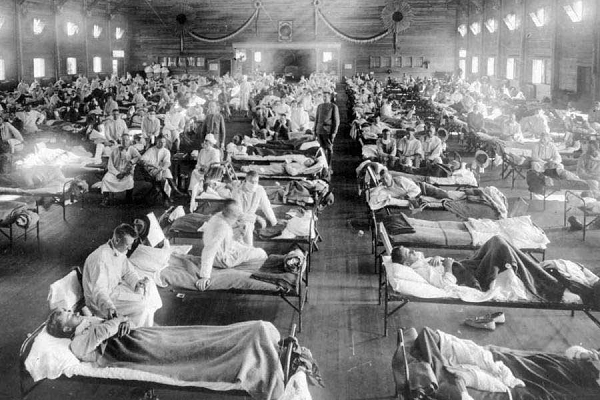
Among the speakers, Dr. Lee Merritt provided insights from historical records, raising crucial questions about the origins of the virus. He cited an outbreak at Fort Riley, Kansas, as one of the first significant incidents, stating, “The history we’ve been told about this pandemic doesn’t align with the evidence.”
Dr. Merritt emphasized that while the influenza pandemic did lead to millions of fatalities, it is imperative to scrutinize how historical data have been interpreted. He argued that many of the deaths attributed to the virus could have stemmed from other causes, including bacterial infections exacerbated by the harsh conditions of World War I.
The discussion extended to various contributing factors surrounding the pandemic. A significant point raised was the deployment of soldiers during the war, leading to the spread of illness in overcrowded barracks and unsanitary conditions. Some experts suggested that the chaos of war facilitated the virus’s rapid transmission, yet others pointed out that medical interventions might have also played a role.
The narrative also took a critical turn when the conversation shifted to the role of vaccines. Dr. Merritt and other participants suggested that vaccine experimentation during this period could have influenced health outcomes, with Merritt stating, “We need to examine the implications of these early vaccines and their potential side effects.”
The group discussed the relevance of the pandemic in the context of contemporary health crises, particularly concerning the COVID-19 pandemic. Otto mentioned that lessons from the past ought to inform modern practices, prompting participants to reflect on the importance of transparent communication regarding public health measures.
In contrast, Dr. Richard Bartlett, a Texas-based physician, highlighted the importance of early treatment options, stating, “We should focus on solutions rather than spreading fear. Effective treatments exist that can mitigate the impact of respiratory infections.”
Discussions also tackled the impact of media narratives in shaping public perception. Attendees noted how fear-driven storytelling could skew scientific understanding. Dr. Merritt pointed out, “The media played a crucial role in creating panic, often disregarding the voices of dissenting scientific perspectives.”
Furthermore, the session examined the historical context of public health responses and their consequences. Dr. Merritt remarked, “It is vital to question the efficacy of health policies enacted during the pandemic and their ongoing legacy in today’s health landscape.”
The evidence presented throughout the session painted a complex picture. Attendees left with many questions to consider regarding both the 1918 pandemic and its echo in current health discussions. The speakers emphasized the importance of critical thinking, urging the public and medical community to consider diverse viewpoints.
As the event progressed, many participants found the revelations shared on “Absolute Healing” to be thought-provoking. Views exchanged prompted a reassessment of how public health narratives are created and the potential implications they have on health decisions.
Overall, the gathering aimed to foster a shared understanding of the past to navigate the future better. With a consistent theme of seeking truth, Otto encouraged continuous inquiry into the factors influencing health crises.
In reflecting on these challenging topics, the presenters’ goal was clear: to encourage open dialogue and critical analysis in the face of established narratives. The closing thoughts emphasized a shared responsibility to advocate for informed health choices, grounded in both historical insights and contemporary evidence.
As more individuals tune into this ongoing series, it remains crucial to remain informed and engaged in discussions that shape public health policies and personal health strategies. By continuing to explore various perspectives, society can strive for a more balanced and comprehensive understanding of health crises, both historical and current.