

By using this site, you agree to the Privacy Policy and Terms of Use.
Accept
February 6, 2026 7:11 AM EST
Medical Herald
Search
  • Health Conditions
    Health ConditionsShow More
    Understanding the Key Difference Between PCOD vs PCOS: What Every Woman Should Know
    Understanding the Key Difference Between PCOD vs PCOS: What Every Woman Should Know
    Health Conditions
    Diet Drinks Linked to Increased Liver Disease Risk, Study Finds
    Health Conditions
    Experts Urge Rethink on Prediabetes Diagnosis and Treatment
    Diabetes
    Study Highlights Rising Heart Risks in Pregnant Women
    Pregnancy & Parenting
    ‘New Mom School’ Helps Women Through Postpartum Challenges
    Pregnancy & Parenting
  • Wellness & Self-Care
    Wellness & Self-CareShow More
    Herbal Foot Baths: Ancient Practice Gains Modern Wellness Traction
    Wellness & Self-Care
    Boosting Immunity: The Power of Holistic Approaches
    Healthy Living
    Understanding Major Causes of Death in America
    Healthy Living
    Study Links Chatbot Use to Increased Symptoms of Depression
    Mental Health
    Transforming Anxiety and Stress into Joy and Fulfillment
    Wellness & Self-Care
  • Nutrition & Fitness
    Nutrition & FitnessShow More
    Shilajit Benefits
    Shilajit Benefits: Ancient Himalayan Secret for Energy, Brain Health, and Longevity
    Nutrients & Supplements
    Affordable Grain-Based Dishes for a Healthier Diet
    Healthy Recipes
    Understanding Prebiotics and Probiotics for Better Health
    Nutrition & Fitness
    Minnesota Health Officials Warn of Salmonella in Supplements
    Nutrients & Supplements
    Fibermaxxing: The Rising Trend in Nutritional Focus
    Diet & Nutrition
  • Innovation
    InnovationShow More
    Weight-Loss Drugs Require Lifelong Use, New Study Indicates
    Drugs & Medications
    Structure Therapeutics Faces Challenges with Weight-Loss Treatments
    Drugs & Medications
    Dr. Hosen Kiat: Advancing the Frontiers of Cardiovascular Science
    Innovation
    FDA Issues Warning for J&J and Legend’s Cancer Treatment Carvykti
    Drugs & Medications
    GLP-1 Medications Transform Health and Household Budgets
    Drugs & Medications
  • News
    NewsShow More
    Challenging the 1918 Influenza Pandemic Narrative on BrightU
    News
    Brazilian Fitness Influencer in Coma After Diving Accident
    News
    Chelsea Handler Declares Love for Drugs and Dismisses Sober Dating
    News
    New Leadership at Parenting Resource Center in Austin
    News
    Advances in Nigeria’s Real-Time NTD Treatment Reporting System
    News
Font ResizerAa
Medical HeraldMedical Herald
  • Health Conditions
  • Wellness & Self-Care
  • Nutrition & Fitness
  • Innovation
  • News
Search
  • Health Conditions
  • Wellness & Self-Care
  • Nutrition & Fitness
  • Innovation
  • News
Follow US
Copyright © 2025, Medical Herald. All Rights Reserved.
Home » Health Conditions » Understanding the Key Difference Between PCOD vs PCOS: What Every Woman Should Know

Understanding the Key Difference Between PCOD vs PCOS: What Every Woman Should Know

By Rebecca Collins - Medical News Editor
Published: February 6, 2026
5 Min Read
Share
Understanding the Key Difference Between PCOD vs PCOS: What Every Woman Should Know

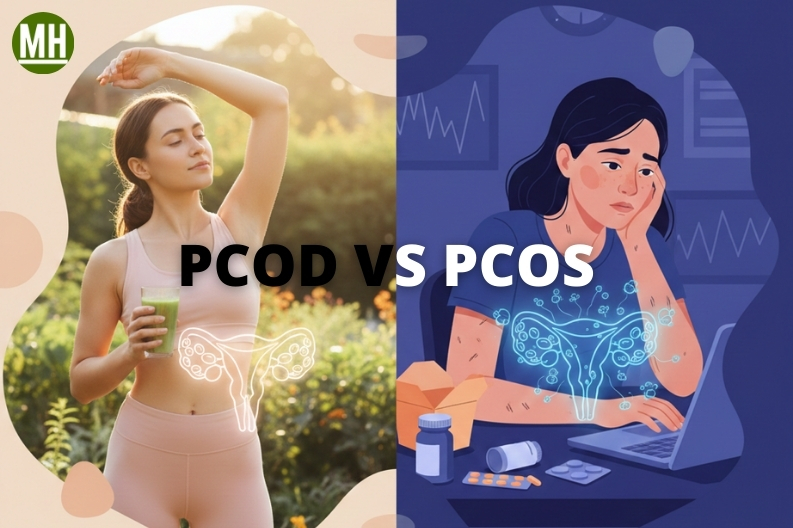
Many women face hormonal imbalances that interfere with their menstrual cycles. Nevertheless, one can get appropriate treatment by distinguishing PCOD from PCOS. Although most people hear these terms and assume they are the same, they refer to two very different conditions that have different effects on your body.

What is PCOD?

PCOD is a short form for Polycystic Ovarian Disease. It is an ovarian disorder in which eggs are released from the ovaries but they are either immature or only partially mature. As a result, these eggs gradually turn into small cysts.

Key Features of PCOD:

  • Ovaries get larger.
  • There is a slight hormonal imbalance.
  • The disorder mainly impacts the ovaries.
  • More frequent occurrence than PCOS.
  • Usually less serious.

PCOD is a disorder that impacts about 33% of women who menstruate globally. So, it is a very common condition especially among women of childbearing age.

Common PCOD Symptoms:

  • Irregular periods
  • Weight gain around the abdomen
  • Mild acne
  • Hair thinning
  • Fatigue

What is PCOS?

PCOS is the short form of Polycystic Ovary Syndrome. In contrast with PCOD, it is a very serious problem of metabolism and hormone secretion. Besides, it affects not only the ovaries but also the entire body system.

Key Features of PCOS:

  • Major hormonal imbalance.
  • Huge impact on metabolism.
  • Elevated male hormone (androgen) levels.
  • Less common than PCOD.
  • Need for medical treatment.

Furthermore, it is estimated that PCOS affects around 9-10% of the female population worldwide, which is less common but more serious.

Common PCOS Symptoms:

  • Very irregular periods or absence of periods.
  • Excess hair growth on the face and body.
  • Constant acne problems.
  • Major weight gain.
  • Unable to lose weight.
  • High risk of infertility.
  • Insulin resistance

Main Difference Between PCOD vs PCOS

Here’s a clear comparison table:

AspectPCODPCOS
SeverityLess severeMore severe
PrevalenceAffects 20-30% of womenAffects 9-10% of women
Hormonal ImpactMild imbalanceSevere imbalance
TreatmentLifestyle changes mainlyMedical treatment needed
FertilityUsually manageableMore challenging
Metabolic IssuesRareCommon (diabetes, heart disease)
Weight ManagementEasierDifficult due to insulin resistance

How PCOD Affects Your Body?

Since PCOD mainly affects the ovaries, women suffering from this condition usually have:

  • Infrequent irregular periods.
  • Unproblematic weight gain.
  • Very few skin problems.
  • Mostly normal fertility with just a little help.

Most women with PCOD are able to get pregnant naturally and only need a little medical help, which is very important.

How PCOS Affects Your Body?

PCOS, however, changes a number of organs and systems in the body, it is therefore a multi-system disorder. As a result, it causes:

  • Metabolic syndrome (higher diabetes risk)
  • Risk of heart disease.
  • Sleeplessness due to apnea.
  • Extreme fertility problems.
  • Depression and anxiety.
  • Risk of endometrial cancer.

Besides that, PCOS leads to insulin resistance, which complicates the regulation of blood sugar levels.

Treatment Options

PCOD Treatment:

  • Healthy diet (low sugar and high protein).
  • Consistent physical activity.
  • Reduction of stress level.
  • Weight loss (as little as 5% makes a big difference).
  • Occasional hormone therapy.

PCOS Treatment:

  • Pills for birth control to adjust the hormones.
  • Drugs for controlling insulin.
  • Fertility treatments, if necessary.
  • Change of lifestyle
  • Long-term medical supervision

Can PCOD Become PCOS?

Generally, PCOD doesn’t progress into PCOS. Nevertheless, both conditions require proper management. Additionally, early diagnosis helps prevent complications in either condition.

When to See a Doctor?

Seek medical advice if you notice:

  • Irregular periods for several months
  • Sudden weight gain
  • Excessive hair growth
  • Difficulty conceiving
  • Severe acne

Similarly, regular check-ups help monitor your condition effectively.

Living With PCOD or PCOS

Both conditions are manageable with proper care. Moreover, many women lead healthy lives by:

  • Following medical advice
  • Maintaining healthy weight
  • Exercising regularly
  • Managing stress
  • Getting adequate sleep

Conclusion

Knowing what distinguishes PCOD from PCOS helps women diagnose the problem and thus, find the right treatment. PCOD being a lighter condition, can be controlled by making dietary and lifestyle changes, whereas PCOS requires medical attention in the first place. Symptoms? Then go to a doctor who is an expert in women’s health for the right diagnosis and treatment plan just for you.

Remember, these two conditions are very common, and with proper management, you will be able to lead a healthy and happy life. Besides that, if we educate and thus break the stereotype, more women will be able to get the right treatment that they deserve.

Important Note: Always consult healthcare professionals for accurate diagnosis and treatment plans tailored to your specific condition.


Share This Article
Facebook LinkedIn Email Copy Link
ByRebecca Collins
Medical News Editor
Rebecca Collins is a medical news editor at Medical Herald, covering healthcare developments, clinical research, and public health updates. She focuses on accuracy, clarity, and translating complex medical information for readers worldwide.

HOT NEWS

Shilajit Benefits

Shilajit Benefits: Ancient Himalayan Secret for Energy, Brain Health, and Longevity

February 5, 2026

Weight-Loss Drugs Require Lifelong Use, New Study Indicates

Experts say weight-loss medications like Wegovy require lifelong use to maintain results, as stopping treatment…

January 26, 2026

Affordable Grain-Based Dishes for a Healthier Diet

These affordable grain-based recipes make it easy to enjoy healthy, plant-forward meals while saving money…

January 26, 2026

Herbal Foot Baths: Ancient Practice Gains Modern Wellness Traction

Warming herbal foot baths blend ancient tradition and modern science to improve circulation, reduce stress,…

January 26, 2026

YOU MAY ALSO LIKE

Young Man’s Life Changes After Sepsis Leads to Double Amputation

Levi Dewey, 20, lost both legs to sepsis after flu-like symptoms spiraled into organ failure—his story underscores the urgency of…

October 8, 2025

Study Highlights Rising Heart Risks in Pregnant Women

New research shows 1 in 7 pregnancies face heart complications, urging early prevention and continued care before, during, and after…

November 3, 2025

Amanda Balionis Shares Lessons from Health Struggles

Amanda Balionis reveals her struggle with a herniated disc, sharing how rest, therapy, and mindfulness helped her heal and prioritize…

October 21, 2025

Study Links Fatty Liver Disease to Sugary and Diet Drinks

A new study reveals that both sugary and diet sodas increase fatty liver disease risk, with diet drinks posing an…

October 16, 2025

Medical Herald is your trusted source for medical news, scientific research, health policy updates, and expert insights from around the world. 

Category

  • Health Conditions
  • Wellness & Self-Care
  • Nutrition & Fitness
  • Innovation
  • News
  • Privacy Policy
  • About Us
  • Contact

Follow US: 

  • Grow Big Agency Sites:
  • London Business Journal
Copyright © 2026, Medical Herald. All Rights Reserved.
Welcome Back!

Sign in to your account

Username or Email Address
Password

Lost your password?