
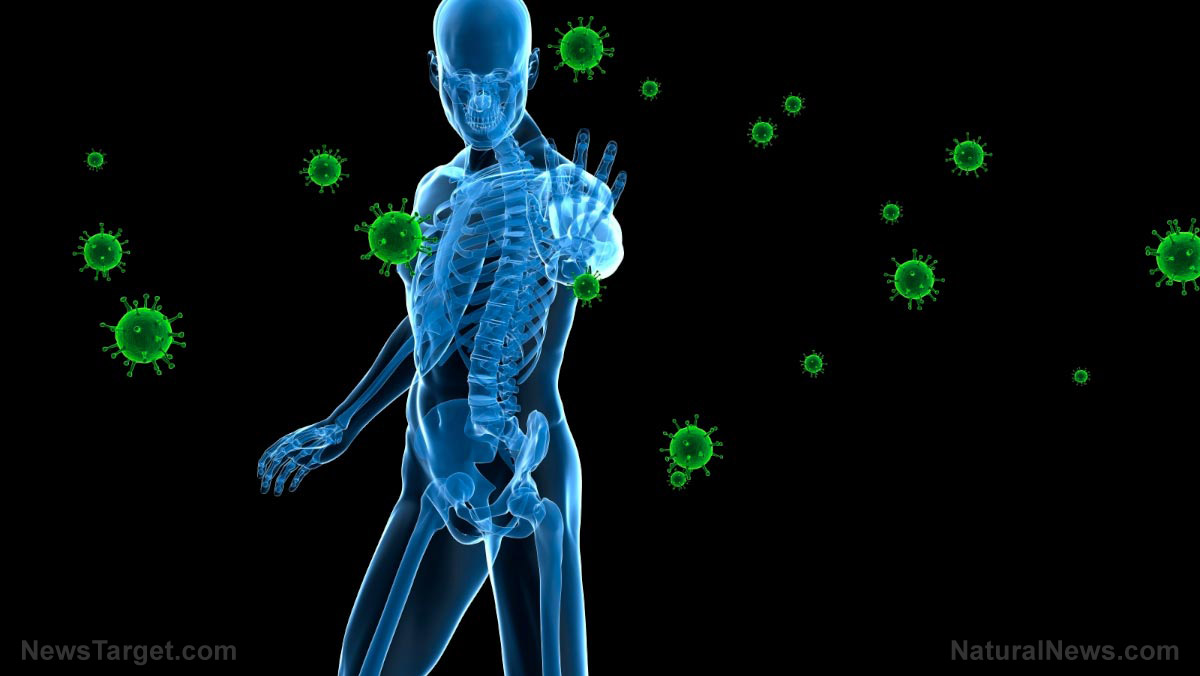
In recent years, a holistic approach to health has been increasingly recognized for its emphasis on the body’s natural healing abilities. This model advocates for enhancing immune responses through lifestyle changes and natural methods, rather than relying solely on synthetic medications.
A key factor in immune function is gut health, which plays a significant role in the body’s overall well-being. Research suggests that the gut microbiome significantly influences not just digestive health, but also immune responses and the body’s ability to fend off illnesses.
Stress levels also correlate with immune function. Chronic stress can weaken the immune system, making the body more susceptible to infections. By implementing strategies that reduce stress—such as mindfulness practices, regular exercise, and sufficient sleep—individuals can enhance their immune responses.
Here are some holistic protocols that can contribute to improved immune function:
- Nutrition: A well-balanced diet rich in vitamins, minerals, and antioxidants can play a crucial role in supporting immune health. Foods such as leafy greens, citrus fruits, nuts, and seeds provide essential nutrients that can help mitigate inflammation and boost immunity.
- Physical Activity: Regular exercise is another vital component. It boosts circulation and contributes to overall physical health, which is essential for a well-functioning immune system. Even moderate exercise, like walking or yoga, can have significant benefits.
- Herbal Supplements: Many herbs are noted for their immune-boosting properties. For instance, echinacea, elderberry, and astragalus are popular choices among herbalists. These natural remedies can support the body’s defenses against infections.
- Mindfulness and Stress Reduction: Techniques such as meditation, deep-breathing exercises, and yoga not only improve mental health but also strengthen the immune system. Reducing stress lowers the production of cortisol, a hormone that can hinder immune function when present in excessive amounts.
- Quality Sleep: Sleep is vital for recovery and optimal immune function. Aim for seven to nine hours of quality sleep per night, as this is when the body repairs itself and enhances immune responses.
Integrating these practices into daily life can lead to a more resilient immune system. However, it’s important to note that while lifestyle modifications support health, they cannot replace medical treatments for specific conditions. It’s vital for individuals to consult healthcare professionals before starting any new regimen, especially if they have pre-existing health conditions or are on medication.
The conversation surrounding holistic health is evolving, and more healthcare providers recognize the importance of combining traditional medical practices with supportive lifestyle changes. Holistic health advocates argue that this integrated approach can lead to more effective disease prevention and treatment.
As discussions continue about the impacts of our lifestyles on long-term health, it becomes clear that individuals have an important role in managing their well-being. Engaging in healthy practices promotes not only personal health but contributes positively to public health as well.
Additionally, education about the immune system and how to support it naturally is becoming more prevalent. Community workshops, online seminars, and health programs are increasingly providing resources for individuals seeking to improve their immune function through holistic methods.
In many cultures, the wisdom of natural healing has been passed down through generations, promoting a balanced approach to health that encompasses the physical, mental, and emotional aspects of well-being. By adopting these holistic protocols, individuals may find that they not only boost their immune responses but also enhance their overall quality of life.
The body is inherently capable of healing; supportive interventions can empower individuals to harness their innate potential. The growing acceptance of holistic practices reflects a broader shift towards a more inclusive and comprehensive understanding of health, paving the way for a future where holistic health complements traditional medicine on a larger scale.
Ultimately, integrating holistic approaches into everyday life, combined with ongoing scientific research, holds great promise for fostering a healthier society. As public interest grows, so does the urgency to prioritize both preventive care and health education, ensuring that everyone has the opportunity to understand and utilize their body’s natural defenses.