






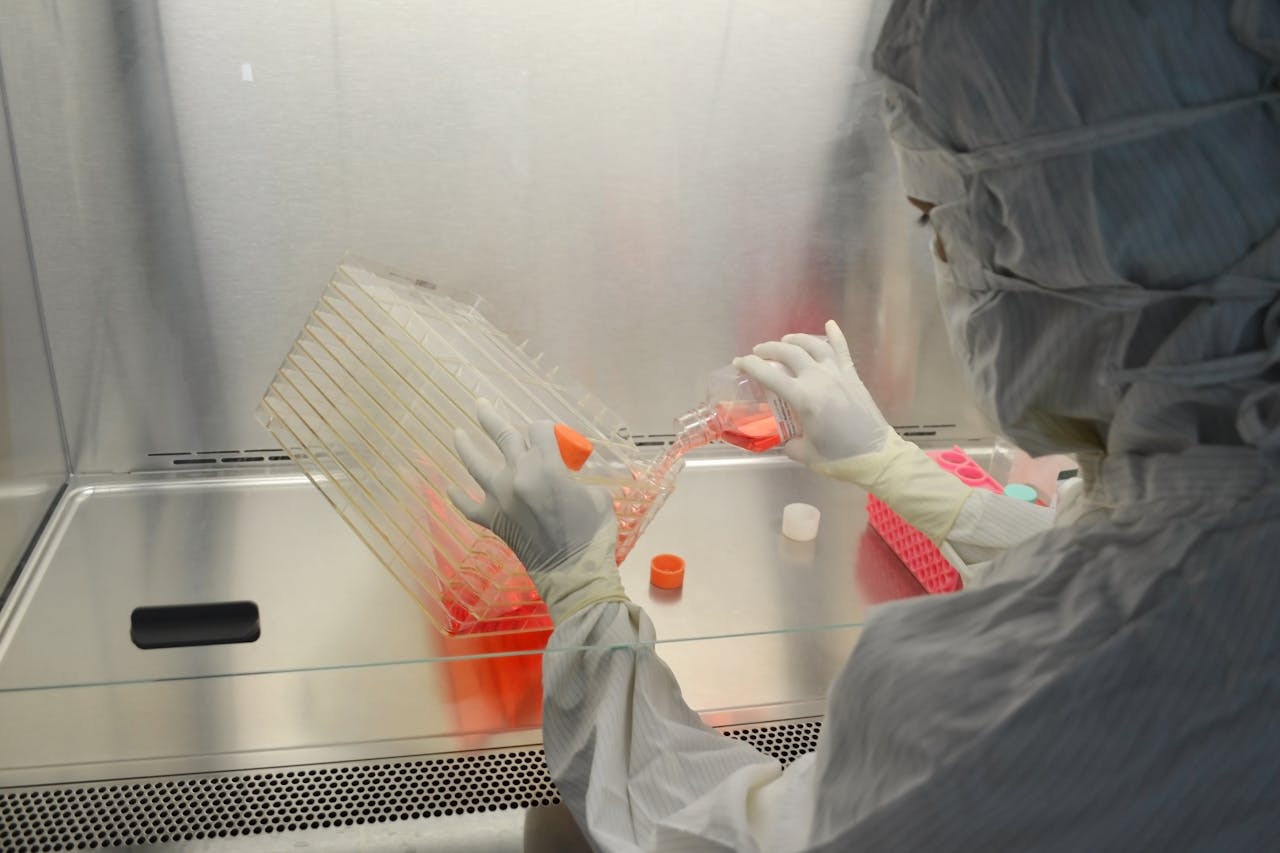
What is the Gene Therapy Renaissance? It is a new era in medicine where doctors no longer just treat symptoms. Instead, they fix the broken gene that causes the disease – often with a single treatment. The Gene Therapy Renaissance is giving millions of people worldwide real hope for the very first time.
What Is the Gene Therapy Renaissance?
For decades, people with genetic diseases had only one option: take medication every day for the rest of their lives. That approach managed symptoms but never solved the root problem.
Today, that is changing fast. Thanks to new tools like CRISPR and advanced viral vectors, scientists can now target specific genes with remarkable precision. As a result, treatments are safer, smarter, and more effective than ever before.
Moreover, this movement is no longer limited to rare diseases. Researchers are now exploring gene therapy for common conditions like diabetes, heart disease, and even aging itself.
Why This Is Different from Old-Style Gene Therapy?
Early gene therapy in the 1990s had serious problems. It was imprecise, risky, and sometimes caused dangerous immune reactions. Consequently, the field slowed down for years.
However, modern tools have completely transformed the approach. Scientists now understand the human genome far better. Therefore, today’s treatments are far more accurate and much safer for patients.
How Does Gene Therapy Actually Work?
Think of your DNA as a giant instruction manual for your body. Sometimes, one page in that manual has an error. Gene therapy acts like a precision editing tool – it finds that page and fixes it.
Doctors deliver this fix in two main ways:


In Vivo vs Ex Vivo: Two Ways Doctors Deliver Gene Treatments
In Vivo Therapy: Doctors inject the gene treatment directly into the patient’s body. The corrected gene travels to the target cells on its own.
Ex Vivo Therapy: Scientists remove cells from the patient, fix the genetic error in a lab, and then return the corrected cells to the body. This method is especially common in blood disorders.
Both approaches are currently being tested in clinical trials. You can explore active studies at ClinicalTrials.gov to see which conditions researchers are targeting right now.
Traditional Medicine vs Gene Therapy: A Clear Comparison
| Feature | Traditional Drugs | Gene Therapy |
| How often you take it | Daily or weekly | Usually one time |
| What it does | Manages symptoms | Fixes the root cause |
| Customization | Low | Very high |
| Long-term cost | High (lifetime) | Lower after initial treatment |
| Timeline | Ongoing | Potentially permanent |
Major Diseases Gene Therapy Is Now Targeting
The Gene Therapy Renaissance is having its greatest impact in areas where medicine previously had few answers.
Parkinson’s Disease and Brain Health
Parkinson’s damages the brain cells that produce dopamine. Without dopamine, patients lose control of their movements. Gene therapy is now helping those brain cells start producing dopamine again, which could restore movement and quality of life for thousands of patients.
Furthermore, this directly supports long-term brain health by slowing neurological damage at its genetic source.
Cancer Treatment Without Chemotherapy
In cancer care, researchers are using gene editing to train immune cells to attack tumors. These supercharged immune cells, known as CAR-T cells, hunt and destroy cancer without the harsh side effects of chemotherapy.
This is a major step forward for wellness, because patients can recover without suffering through months of toxic treatment. The U.S. Food and Drug Administration has already approved several gene-based cancer therapies, and more are on the way.
Diabetes, Heart Health, and Metabolic Conditions
Beyond rare diseases, scientists are also studying how gene therapy could help people with diabetes and heart health conditions. For instance, certain inherited forms of high cholesterol could one day be corrected with a single injection, reducing the risk of heart attacks permanently.
In addition, researchers are exploring how genetic correction might help people with metabolic issues process nutrients more efficiently – directly linking gene therapy to nutrition and fitness goals.
How Gene Therapy Can Support Your Long-Term Health and Longevity?
Why does this matter if you are simply interested in living a healthier, longer life? Your genes control how your body ages. They influence your muscle mass, brain function, hormone levels, and even your skin. Consequently, as scientists learn to correct genetic errors, they may also find ways to slow down aging itself.
The National Institutes of Health (NIH) is already funding research in this direction. Moreover, the goal is not just to help sick people, it is to help everyone live a longer, more vibrant life.
What Are the Challenges and Ethical Concerns?
Despite the excitement, several important challenges remain.
Cost: Gene therapy treatments can currently cost hundreds of thousands, or even millions, of dollars. Therefore, insurance coverage is still a major hurdle for most patients.
Safety: Scientists must ensure that editing one gene does not accidentally affect another. Although tools like CRISPR are precise, they are not yet perfect.
Access: At the moment, these treatments are mainly available in wealthy countries. The World Health Organization is actively working on frameworks to bring gene therapies to developing nations as well.
Ethics: Questions around genetically modifying embryos, and the idea of “designer babies,” remain deeply debated in the scientific and public community.
Nevertheless, the medical community is optimistic. Each year, researchers solve more of these problems, and the path toward accessible, affordable gene therapy is becoming clearer.
The Future of Health Starts With Your Genes
We are living in the most exciting moment in the history of medicine. The Gene Therapy Renaissance is not just a trend, it is a permanent shift in how we understand and treat disease.
From Parkinson’s disease and cancer to diabetes and aging, gene editing is touching nearly every area of human health. Furthermore, as the technology becomes more affordable and accessible, its impact will only grow. Organizations like the WHO and NIH are already working to ensure that this new era of medicine reaches people in every country, not just the wealthiest ones.
Ultimately, the Gene Therapy Renaissance is rewriting the rules of what is possible. For the first time in human history, we have the tools to fix the very blueprint of life, and use it to help every person live healthier, longer, and freer from the burden of inherited disease.
Frequently Asked Questions About the Gene Therapy Renaissance
Q1. Is gene therapy available right now?
Yes. Several gene therapies are already FDA-approved, including treatments for certain types of blindness, spinal muscular atrophy, and blood cancers.
Q2. Is gene therapy a permanent cure?
In many cases, yes, or at least long-lasting. Because the treatment changes the underlying genetic problem, the effects can last for years or even a lifetime.
Q3. Is gene therapy safe?
Modern gene therapies are much safer than older methods. However, clinical trials are still ongoing for many conditions, and long-term safety is still being studied.
Q4. Who is a good candidate for gene therapy?
Currently, gene therapy works best for conditions caused by a single known gene error. Researchers are working to expand this to more complex conditions.