

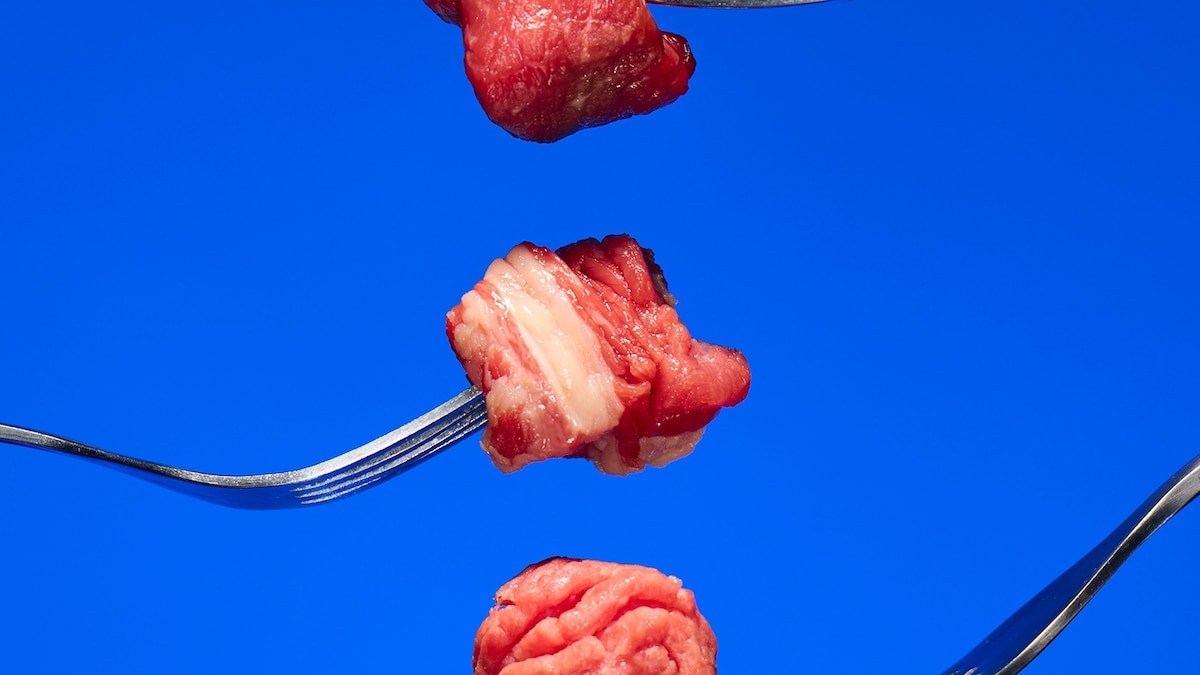
As you scroll through social media accounts dedicated to the carnivore diet, you’ll encounter an abundance of meat-centric imagery: generous servings of steak, burgers glistening with butter, and towering stacks of ribs, all devoid of any plant foods—even as garnish. This extreme dietary approach completely eliminates plant-based foods, focusing solely on meat, eggs, and dairy; some individuals take it a step further, subsisting almost entirely on red meat.
Supporters of the carnivore diet tout benefits such as rapid weight loss, clearer skin, reduced bloating, and even the alleviation of autoimmune diseases. However, these assertions lack empirical backing from clinical trials. Many advocates frame this diet as a return to our ancestral eating habits, mimicking the diets of Paleolithic hunters who thrived on animal protein.
Nonetheless, today’s meat supply, heavily influenced by industrial practices, starkly contrasts with this nostalgic ideology. The United Nations estimates that the food sector produces one-third of global greenhouse gas emissions, with meat consumption identified as the leading contributor.
Despite gaining attention on platforms like Instagram and TikTok, the carnivore diet has not entered the mainstream. A report from the Good Food Institute in 2023 revealed that nearly 60% of U.S. households purchased plant-based foods, and the number of consumers identifying as “flexitarian” has doubled in the last decade.
Sociologist Richard Twine comments on the rising interest in the carnivore diet, suggesting it reflects a broader societal backlash against calls for dietary changes. He argues that adopting a primarily meat-based diet has transitioned from mere nourishment to a political statement, signaling a rejection of ideas surrounding sustainability, public health guidance, and responsible eating habits.
So, what happens to your body when it exclusively receives nourishment from animal products? Is this diet a viable avenue to better health, or merely a trend packaged as a primal lifestyle?
Digestive Changes on the Carnivore Diet
Many individuals transitioning to a carnivore diet report immediate changes in digestion—reduced bloating, decreased gas, and a slimmer waistline. However, the absence of long-term clinical studies leaves many health claims without robust support.
When carbohydrates are removed, the body utilizes glycogen stores—glucose chains stored in muscles and the liver—for energy. As these stores deplete, they release water, leading to a primarily water-weight loss initially. Subsequently, the body often enters ketosis, a metabolic state that shifts the energy source from carbohydrates to fats. Notably, ketosis also reduces hunger signals and heightens feelings of fullness, which may explain why many followers of the carnivore diet report feeling lighter, leaner, and less hungry during the first few weeks.
Gastroenterologist Wendi LeBrett observes that individuals often cite a reduction in bloating and gas on the carnivore diet. However, this relief may not necessarily stem from the exclusion of vegetables but rather from eliminating certain fermentable fibers, especially high-FODMAP foods that can trigger digestive discomfort.
A 2022 randomized crossover trial revealed that a low-FODMAP diet significantly eased abdominal pain and bloating in adults with irritable bowel syndrome. LeBrett notes that similar effects could likely be achieved through a low-FODMAP diet without the need for the drastic exclusion of all plant-based foods.
However, there is a significant drawback. Prolonged fiber elimination can diminish the body’s capacity to digest it. Nutrition scientist Emily Prpa warns, “The next time they eat a plant-based food, their gut may overreact because it has lost the skillful bacteria which help digestion of that food, producing more symptoms and reinforcing restrictive habits.”
Prpa emphasizes that fiber plays a crucial role in maintaining long-term health. “Fiber is one of the most protective components of the human diet, linked to lower risks of heart disease, cancer, diabetes, and even improved longevity and cognitive health,” she states. A comprehensive review conducted in 2023 revealed that increased fiber intake could reduce the overall risk of cancer by up to 22%, with a particularly notable effect on colorectal cancer.
“Ultimately, removing fiber entirely strips away one of the best defenses we have for both body and mind,” Prpa adds.
Nutritional Detriments of a Meat-Only Diet
Yet digestion is just one aspect of the impact on health. The exclusion of plant foods leads to a significant loss of essential nutrients. Fruits, vegetables, and grains provide vital nutrients such as vitamin C, antioxidants, and phytonutrients, which are instrumental in combating inflammation and supporting long-term well-being.
Additionally, the elevated protein intake associated with the carnivore diet imposes extra demands on the liver and kidneys. The liver must work harder to convert excess nitrogen from proteins into urea for kidney filtration, a process that can heighten the risk of kidney stones and lead to chronic organ stress.
Prpa also points out that the brain may suffer from nutrient deficits due to this dietary choice. “Diets rich in fiber from plant foods, like the Mediterranean diet, are linked to better mood, lower depression risk, and brain health protection,” she explains. Supporting this assertion, recent meta-analyses suggest that adhering to a Mediterranean diet can decrease depression risk by approximately 19%. Furthermore, for each five-gram increase in dietary fiber, there is a corresponding 5% reduction in depression risk.
Heart Health Risks Associated with a Carnivore Diet
Cardiologists have long cautioned against diets heavily reliant on red and processed meats due to their high saturated fat and cholesterol content. These components have been directly linked to elevated levels of LDL (low-density lipoprotein) cholesterol, a significant risk factor for heart disease. A 2021 cohort study involving over 180,000 participants found that high red meat intake was associated with a 20% increase in cardiovascular disease risk, a 53% rise in heart disease, and more than double the risk of stroke-related deaths.
Prpa highlights, “The absence of fiber eliminates one of the body’s natural tools for lowering LDL, since soluble fiber binds cholesterol in the gut and helps remove it from circulation.” Given that elevated LDL levels are consistently associated with cardiovascular issues, the long-term heart risks posed by the carnivore diet warrant serious consideration.
Exploring the Appeal of Elimination Diets
Despite the aforementioned risks, the carnivore diet has continued to attract followers, particularly among those who are disillusioned by persistent digestive issues, food intolerances, or autoimmune symptoms. This growing trend raises significant questions about the balance between dietary choices and their long-term health implications, as individuals grapple with the allure of simplicity and the desire for direct control over their well-being.