

By using this site, you agree to the Privacy Policy and Terms of Use.
Accept
February 8, 2026 7:38 PM EST
Medical Herald
Search
  • Health Conditions
    Health ConditionsShow More
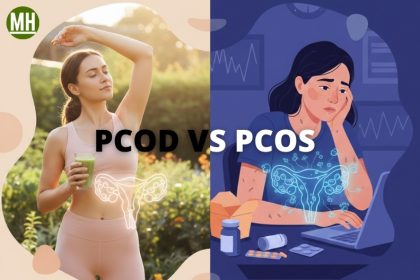
    Understanding the Key Difference Between PCOD vs PCOS: What Every Woman Should Know
    Understanding the Key Difference Between PCOD vs PCOS: What Every Woman Should Know
    Health Conditions
    Diet Drinks Linked to Increased Liver Disease Risk, Study Finds
    Health Conditions
    Experts Urge Rethink on Prediabetes Diagnosis and Treatment
    Diabetes
    Study Highlights Rising Heart Risks in Pregnant Women
    Pregnancy & Parenting
    ‘New Mom School’ Helps Women Through Postpartum Challenges
    Pregnancy & Parenting
  • Wellness & Self-Care
    Wellness & Self-CareShow More
    Herbal Foot Baths: Ancient Practice Gains Modern Wellness Traction
    Wellness & Self-Care
    Boosting Immunity: The Power of Holistic Approaches
    Healthy Living
    Understanding Major Causes of Death in America
    Healthy Living
    Study Links Chatbot Use to Increased Symptoms of Depression
    Mental Health
    Transforming Anxiety and Stress into Joy and Fulfillment
    Wellness & Self-Care
  • Nutrition & Fitness
    Nutrition & FitnessShow More
    Shilajit Benefits
    Shilajit Benefits: Ancient Himalayan Secret for Energy, Brain Health, and Longevity
    Nutrients & Supplements
    Affordable Grain-Based Dishes for a Healthier Diet
    Healthy Recipes
    Understanding Prebiotics and Probiotics for Better Health
    Nutrition & Fitness
    Minnesota Health Officials Warn of Salmonella in Supplements
    Nutrients & Supplements
    Fibermaxxing: The Rising Trend in Nutritional Focus
    Diet & Nutrition
  • Innovation
    InnovationShow More
    Weight-Loss Drugs Require Lifelong Use, New Study Indicates
    Drugs & Medications
    Structure Therapeutics Faces Challenges with Weight-Loss Treatments
    Drugs & Medications
    Dr. Hosen Kiat: Advancing the Frontiers of Cardiovascular Science
    Innovation
    FDA Issues Warning for J&J and Legend’s Cancer Treatment Carvykti
    Drugs & Medications
    GLP-1 Medications Transform Health and Household Budgets
    Drugs & Medications
  • News
    NewsShow More
    Challenging the 1918 Influenza Pandemic Narrative on BrightU
    News
    Brazilian Fitness Influencer in Coma After Diving Accident
    News
    Chelsea Handler Declares Love for Drugs and Dismisses Sober Dating
    News
    New Leadership at Parenting Resource Center in Austin
    News
    Advances in Nigeria’s Real-Time NTD Treatment Reporting System
    News
Font ResizerAa
Medical HeraldMedical Herald
  • Health Conditions
  • Wellness & Self-Care
  • Nutrition & Fitness
  • Innovation
  • News
Search
  • Health Conditions
  • Wellness & Self-Care
  • Nutrition & Fitness
  • Innovation
  • News
Follow US
Copyright © 2025, Medical Herald. All Rights Reserved.
Home » Innovation » Drugs & Medications » Navigating Coffee’s Impact on Prescription Medications

Navigating Coffee’s Impact on Prescription Medications

Ethan Granger
By Ethan Granger
Published: October 7, 2025
5 Min Read
Share

For countless individuals, mornings begin with the rich aroma of coffee. However, for those taking prescription medications or dietary supplements, caffeine can influence how their medications work in various ways, sometimes amplifying side effects or diminishing effectiveness.

To help navigate these complexities, here’s an overview of how caffeine interacts with several categories of medications and suggestions on how to time your coffee consumption effectively.

Medications Impacting Heart Rate and Blood Pressure

Caffeine is known for temporarily boosting heart rate and blood pressure. When combined with medications that affect these cardiovascular metrics, the results can lead to unwanted complications.

Blood Thinners

Caffeine may interact with blood thinners, affecting the body’s clotting ability. According to health experts, this combination can increase the risk of bruising or bleeding.

Cold and Allergy Remedies

Many over-the-counter cold and allergy medications labeled as “non-drowsy” include stimulants to help alleviate fatigue. When combined with caffeine, they can lead to side effects like insomnia, increased heart rate, or elevated blood sugar levels. For this reason, medical professionals often recommend avoiding caffeine while taking stimulant-based cold medicines. On the other hand, drowsy formulas containing diphenhydramine typically do not interact negatively with caffeine.

Melatonin Supplements

Melatonin is well-known for its sleep-inducing properties. Consuming coffee near bedtime or alongside melatonin can hinder its effectiveness. Research indicates that habitual caffeine intake may also reduce the body’s natural melatonin production over time.

Blood Pressure Medications

Caffeine can result in temporary spikes in blood pressure, heightening the risk of heart-related issues like strokes or heart attacks. Experts from University Hospitals emphasize that blood pressure medications require consistent absorption levels to maintain stability, something caffeine can disrupt.

Medications Requiring Steady Absorption

Certain prescriptions must be taken under controlled conditions to ensure proper efficacy. Caffeine can interfere with these absorption processes.

Thyroid Hormone Treatments

The American Thyroid Association states that coffee should be consumed an hour after thyroid medications to prevent reduced absorption. Waiting 30–60 minutes before drinking coffee is best.

Osteoporosis Treatments

Some osteoporosis medications require an empty stomach and plain water. Pairing these with coffee can negate their effectiveness entirely. Furthermore, studies published in *Osteoporosis International* have found links between high caffeine consumption and increased risks of bone loss over time.

Alzheimer’s Disease Medications

Caffeine can constrict blood vessels and tighten the blood-brain barrier, potentially limiting the delivery of Alzheimer’s medications to the brain, and thus diminishing their therapeutic impact.

Medications Affecting the Nervous System and Muscles

As a stimulant, caffeine can either enhance or counteract the effects of medications that alter brain chemistry.

Asthma Treatments

Some asthma medications work by relaxing the muscles in the airways, but they can produce side effects, including jitteriness, which caffeine may exacerbate. This combination could lead to intensified restlessness, as noted by Harvard Health.

Mental Health Medications

Certain antidepressants and caffeine are metabolized by the same liver enzymes. If consumed too closely in time, caffeine can interfere with the efficacy of the antidepressant or amplify its stimulant effects. University Hospitals further notes caffeine’s potential to impact antipsychotic drugs negatively, reducing their intended benefits.

Coffee with Medications: Timing Matters

Despite the possible interactions, you don’t need to forgo your morning coffee entirely. In most cases, the timing of your coffee consumption is crucial rather than the caffeine itself. Generally, allowing 30 to 60 minutes (or longer, depending on your specific medication) between your caffeine intake and medication can facilitate both to work effectively.

Always consult with your doctor or pharmacist if you’re uncertain about how caffeine may affect your medications. A simple adjustment can keep your treatment plan on track while allowing you to enjoy your daily coffee ritual.Drugs & Medications

Share This Article
Facebook LinkedIn Email Copy Link

HOT NEWS

Understanding the Key Difference Between PCOD vs PCOS: What Every Woman Should Know

Understanding the Key Difference Between PCOD vs PCOS: What Every Woman Should Know

February 6, 2026
Shilajit Benefits

Shilajit Benefits: Ancient Himalayan Secret for Energy, Brain Health, and Longevity

Shilajit is a gummy, resinous material that drips from crevices in rocks located on high mountains, primarily the Himalayas. Notably, it has been a natural remedy highly praised…

February 5, 2026

Weight-Loss Drugs Require Lifelong Use, New Study Indicates

Experts say weight-loss medications like Wegovy require lifelong use to maintain results, as stopping treatment…

January 26, 2026

Affordable Grain-Based Dishes for a Healthier Diet

These affordable grain-based recipes make it easy to enjoy healthy, plant-forward meals while saving money…

January 26, 2026

YOU MAY ALSO LIKE

Annual COVID Vaccines Essential for Severe Disease Protection

A new study reveals COVID boosters cut deaths by 64% and hospitalizations by 39%, offering protection across all age groups…

October 21, 2025

White House Launches ‘TrumpRX’ Drug Site, Pfizer Cuts Prices

President Trump introduces TrumpRX, a direct-to-consumer platform aimed at lowering prescription drug costs and improving medication access nationwide.

October 7, 2025

Sam’s Club Offers Affordable Ozempic, Wegovy for Weight Loss

Sam’s Club launches $499 pricing for Ozempic and Wegovy, expanding access to weight-loss meds and same-day delivery for refrigerated prescriptions.

October 21, 2025

GLP-1 Medications Transform Health and Household Budgets

GLP-1 drugs are revolutionizing weight loss—and personal finance. As health improves, Americans are rethinking budgets, spending, and long-term goals.

November 11, 2025

Medical Herald is your trusted source for medical news, scientific research, health policy updates, and expert insights from around the world. 

Category

  • Health Conditions
  • Wellness & Self-Care
  • Nutrition & Fitness
  • Innovation
  • News
  • Privacy Policy
  • About Us
  • Contact

Follow US: 

  • Grow Big Agency Sites:
  • London Business Journal
Copyright © 2026, Medical Herald. All Rights Reserved.
Welcome Back!

Sign in to your account

Username or Email Address
Password

Lost your password?