


Several years ago, a group of prominent scientists and nutrition experts introduced a global diet plan that unexpectedly sparked one of the most heated debates in recent food history. The central tenet of their advice was simple: to support an increasingly populated planet, wealthier nations should reduce meat consumption and boost their intake of plant-based foods.
However, following the release of the original report from the EAT-Lancet Commission, the authors found themselves at the center of controversy. They faced threats, accusations of elitism, and aggressive social media campaigns funded by the meat industry. While some policymakers embraced their recommendations, others, especially in the United States, dismissed them as a misguided effort to deprive people of their meat.
Now, this contentious debate has entered a new phase. On Friday, the EAT-Lancet Commission published a new report, drawing from fresh data and insights from experts across more than 30 nations. Their conclusion remains steadfast: a call to eat less meat and incorporate more beans, nuts, and vegetables—especially for those in affluent countries. The anticipated benefits of such dietary changes could lead to the prevention of approximately 15 million premature deaths worldwide and a reduction in agricultural emissions by 15%.
Walter Willett, a professor of epidemiology and nutrition at Harvard University and co-chair of the commission, stated, “By improving diets we would improve the environment. There’s an element of urgency here that has only grown since the last time.”
The report highlights the fact that food systems are responsible for about one-third of global greenhouse gas emissions, primarily due to animal agriculture. Methane produced by livestock and the significant usage of land and water resources are significant issues. Even with a global transition away from fossil fuels, food systems alone may drive temperature increases beyond the critical threshold of 1.5°C necessary to mitigate climate change. Notably, the wealthiest 30% of the global population is accountable for over 70% of food-related environmental pressures.
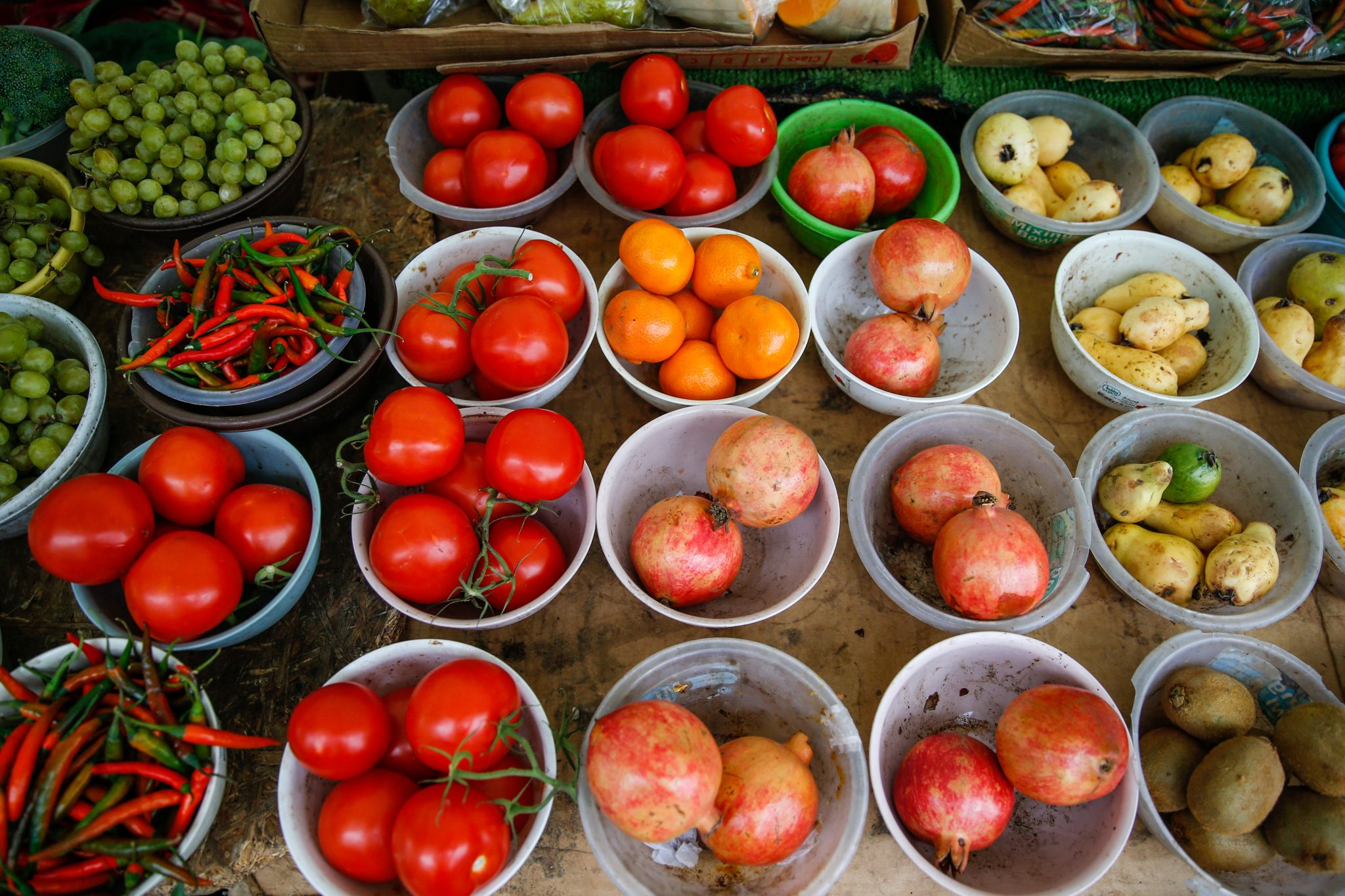
The commission’s “planetary health diet” resembles the Mediterranean diet and several other traditional diets worldwide, presenting its recommendations as flexible ranges. Willett noted, “It’s not pushing veganism but simply supporting the idea that animal-sourced foods should be optional, moderate and guided by a ‘1+1’ principle: one dairy serving and one other animal protein source daily.” This framework allows individuals to maintain cultural diversity and personal preferences in their dietary choices.
Significant alterations will primarily affect the meat and dairy sectors. The commission asserts that production of beef, goat, and lamb must decrease by one-third from 2020 levels by 2050, and cattle and ruminant populations should shrink by about 25%. However, the report acknowledges that merely changing diets is insufficient; tackling food waste and enhancing agricultural productivity are also critical goals.
The recently released EAT-Lancet 2.0 report was developed by a diverse panel of experts in fields such as livestock, economics, nutrition, and climate. Funded by the Rockefeller Foundation and the Novo Nordisk Foundation, the report also underwent a peer review process.
The initial version of the report, published in 2019, garnered widespread attention and was referenced in over 600 policy documents. Major cities like Milan, London, and Tokyo have made commitments to align their public food procurement practices with its suggestions. Tim Benton, a food security expert at the University of Leeds, described it as a key guide for merging sustainability with dietary guidelines.
Despite these efforts, the impact of the report has been limited. Global meat consumption continues to rise, and sales of alternative proteins have stagnated. Factors such as the COVID-19 pandemic, the Russian invasion of Ukraine, and increasing food prices have dampened both political and consumer enthusiasm for sustainability. Additionally, the rise of right-wing populism has influenced attitudes toward dietary choices, fostering resistance against the EAT-Lancet recommendations as part of an “anti-woke agenda,” according to Benton.
The backlash has taken on a personal dimension for some involved in the commission. For instance, Gunhild Stordalen, a physician and co-founder of the EAT Foundation, has faced online characterizations as part of a “Davos elite.” Investigations revealed organized campaigns aimed at discrediting the report, with critical posts circulated by networks of “misinfluencers” linked to the livestock industry, all supporting the hashtag #yes2meat.
In response to earlier criticisms about the report’s Western-centric focus and neglect of local dietary needs, the new edition emphasizes “just” food systems. Nearly half of the global population lacks access to affordable, healthy diets, fair wages, and safe living conditions. The commission asserts that while the Global North must significantly scale back its meat consumption, areas in the Global South might require increased animal protein intake to combat malnutrition—though not to the same levels seen in wealthier nations.
To actualize these changes, the report advocates for the development of new policies, including subsidy reforms and taxes, aimed at making healthy foods more affordable and accessible. Stordalen announced that the commission would embark on a global tour to demonstrate the report’s implications across various regions and cultures, hosting discussions with diverse stakeholders, including farmers, chefs, consumers, and healthcare professionals. “We are bringing all key stakeholders to the table to have conversations, brave conversations, and really trying to change mindsets,” she expressed.