

By using this site, you agree to the Privacy Policy and Terms of Use.
Accept
December 7, 2025 2:32 AM EST
Medical Herald
Search
  • Health Conditions
    Health ConditionsShow More
    Diet Drinks Linked to Increased Liver Disease Risk, Study Finds
    Health Conditions
    Experts Urge Rethink on Prediabetes Diagnosis and Treatment
    Diabetes
    Study Highlights Rising Heart Risks in Pregnant Women
    Pregnancy & Parenting
    ‘New Mom School’ Helps Women Through Postpartum Challenges
    Pregnancy & Parenting
    Beware of Counterfeit Weight Loss Drugs Sold Online
    Weight Management
  • Wellness & Self-Care
    Wellness & Self-CareShow More
    Aflac Survey Reveals Surge in Worker Burnout and Anxiety
    Mental Health
    Dr. Cassandra M. Klyman: A Distinguished Leader in Psychiatry, Psychoanalysis, and Mental Health Policy
    Mental Health
    Heart Health: Simple Daily Habits for Everyone
    Heart Health
    Introducing the Hormometer: Track Cortisol at Home
    Wellness & Self-Care
    First Responders Turn to Ketamine for Mental Health Relief
    Mental Health
  • Nutrition & Fitness
    Nutrition & FitnessShow More
    Fibermaxxing: The Rising Trend in Nutritional Focus
    Diet & Nutrition
    Gutzy Organic Launches Healthy Prebiotic Protein Smoothies
    Diet & Nutrition
    Achieve Your Nutrition Goals with Nourish and Insurance
    Nutrition & Fitness
    Delicious Roasted Salmon with Olives from Dan Pelosi
    Healthy Recipes
    Short Exercise Bursts: A New Trend in Fitness?
    Fitness
  • Innovation
    InnovationShow More
    Dr. Hosen Kiat: Advancing the Frontiers of Cardiovascular Science
    Innovation
    FDA Issues Warning for J&J and Legend’s Cancer Treatment Carvykti
    Drugs & Medications
    GLP-1 Medications Transform Health and Household Budgets
    Drugs & Medications
    Drug Tied to Fatal Crashes and Risks of Weight-Loss Pills
    Drugs & Medications
    GLP-1 Medications Like Ozempic May Affect Medical Scan Results
    Drugs & Medications
  • News
    NewsShow More
    New Leadership at Parenting Resource Center in Austin
    News
    Advances in Nigeria’s Real-Time NTD Treatment Reporting System
    News
    WIC Program Secures $300M Amid Government Shutdown Concerns
    News
    Guy Benson Shares Early Cancer Diagnosis and Encourages Skin Checks
    News Skin Care
    Congress Stalemate Threatens Health Insurance for Millions
    News
Font ResizerAa
Medical HeraldMedical Herald
  • Health Conditions
  • Wellness & Self-Care
  • Nutrition & Fitness
  • Innovation
  • News
Search
  • Health Conditions
  • Wellness & Self-Care
  • Nutrition & Fitness
  • Innovation
  • News
Follow US
Copyright © 2025, Medical Herald. All Rights Reserved.
Home » Health Conditions » New Study Finds Ways to Lower Peanut Allergy Risk in Kids

New Study Finds Ways to Lower Peanut Allergy Risk in Kids

By Samuel Lee
Published: October 9, 2025
Share

In a recent study conducted at Northwestern University Feinberg School of Medicine, researchers discovered that enhancing pediatricians’ abilities to follow updated allergy-prevention guidelines may significantly decrease the number of young children developing peanut allergies. The findings were published on Monday in the journal Pediatrics.

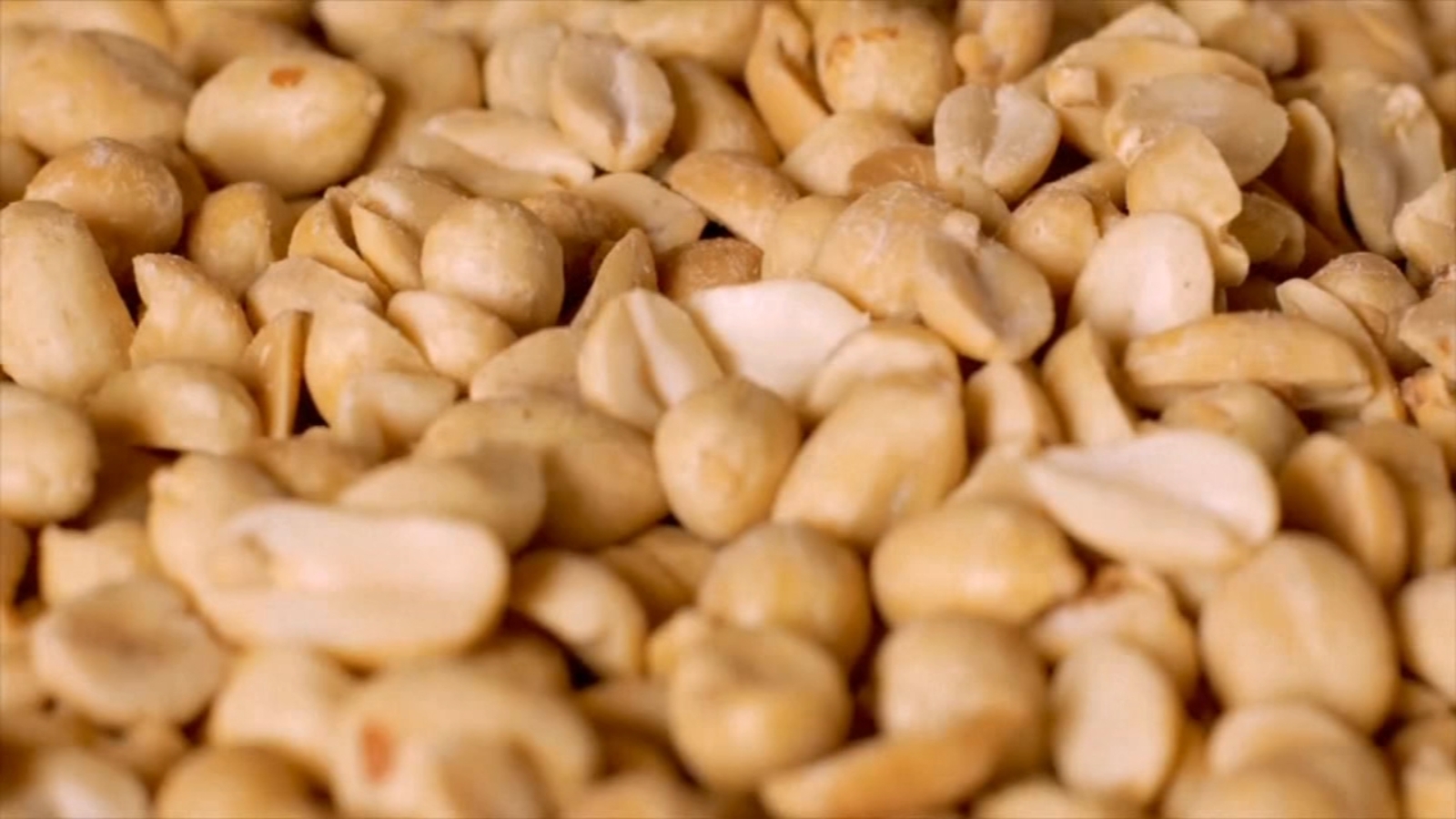
The study indicates that providing pediatricians with practical tools such as training videos, electronic health record prompts, and educational handouts for parents plays a crucial role in improving counseling on the early introduction of peanut products. According to the study, early inclusion of peanut-containing foods into an infant’s diet may reduce the risk of developing a peanut allergy by as much as 80%. This statistic stems from pivotal clinical trials conducted in the United Kingdom in 2015.

Dr. Tara Narula, the chief medical correspondent for ABC News, provided insights into the study during an appearance on “Good Morning America.” She explained, “This study looked at, ‘If we intervened in pediatric practices — video trainings, handouts to parents, education in the electronic medical record and reporting and also screenings for eczema — could we improve the counseling that they gave?'”

The significance of this study cannot be overstated. Food allergies currently affect approximately 8% of children in the United States, with peanut allergies affecting just over 2% of that group. Notably, the prevalence of peanut allergies has climbed from about 0.4% in the late 1990s, as per a 2015 paper published in the Journal of Allergy and Clinical Immunology.

Historically, the approach toward peanut introduction was markedly different. Dr. Narula noted, “It used to be in the past that if you were worried your kid might develop a peanut allergy, you actually didn’t give them peanuts at all until they were older.”

A groundbreaking study in 2015 altered this narrative. It revealed that early exposure to peanut products between the ages of four and six months for high-risk children could dramatically decrease the likelihood of developing an allergy. Dr. Narula commented, “Even though this changed the guidelines since 2017, we still see about 20-30% of pediatricians only promoting this guidance about early exposure.”

The recent research focused on 30 pediatric practices across Illinois, studying the effect of additional support on 18,000 children. It found that 84% of pediatricians in the intervention group successfully received and implemented the appropriate guidance, compared to just 35% in the control group. This illustrates the positive impact that targeted training has on pediatricians’ ability to dispel correct information regarding allergy prevention.

According to the updated allergy guidelines, infants are categorized into three risk groups:

  • Low-risk infants: These children have no eczema or egg allergies and may be introduced to peanuts at any age.
  • Moderate-risk kids: These are children with mild eczema who should have peanuts introduced around six months.
  • High-risk kids: Children with severe eczema or egg allergies should undergo testing for immunoglobulin E (IgE) antibodies and consult with an allergist or physician before introducing peanuts.

Researchers continue to assess whether improved adherence to these guidelines will lead to a decline in the incidence of peanut allergies among children. Dr. Ruchi Gupta, the lead author of the study and a pediatrician and professor at Northwestern University, emphasized the importance of support during pediatric visits. “Because pediatric visits at 4 and 6 months are so busy, this support is critical to ensure families receive clear guidance,” she stated in a press release. “Our hope is that these conversations will help parents feel confident introducing peanut products early. We want to reverse the trend of increasing food allergies in the U.S. through prevention.”

As awareness grows and pediatricians become better equipped to counsel families, the healthcare community remains optimistic about combating food allergies in the future.Symptoms & Diagnosis

Share This Article
Facebook LinkedIn Email Copy Link
Leave a Comment

Leave a Reply Cancel reply

Your email address will not be published. Required fields are marked *

HOT NEWS

Aflac Survey Reveals Surge in Worker Burnout and Anxiety

December 4, 2025

New Leadership at Parenting Resource Center in Austin

Crystal Vandevender joins PRC Austin as executive director, bringing strong leadership and a renewed vision…

December 4, 2025

Dr. Cassandra M. Klyman: A Distinguished Leader in Psychiatry, Psychoanalysis, and Mental Health Policy

Dr. Cassandra M. Klyman’s influential career spans psychiatry, psychoanalysis, education, and mental health policy, shaping…

November 28, 2025

Dr. Hosen Kiat: Advancing the Frontiers of Cardiovascular Science

Dr. Hosen Kiat, a leading cardiologist and researcher, is redefining heart care through innovation in…

November 11, 2025

YOU MAY ALSO LIKE

Celebrities Speak Out on Ozempic and Weight Loss

Lizzo, Nick Carter, Kathy Bates, and others share their experiences with Ozempic, revealing the emotional and physical realities behind weight…

October 9, 2025

Parents Seek Tylenol Alternatives After Trump Autism Comments

Trump’s Tylenol warning fuels a boom in natural “clean” remedies as wellness brands seize on consumer fears, reigniting debate over…

October 13, 2025

Transform Your Health: Three Simple Steps to Prevent Diabetes

The PREDIMED-Plus study shows that diet, exercise, and guidance can cut your risk of diabetes by 31%. Here’s how to…

October 2, 2025

Naomi Watts Shares Menopause Beauty Essentials on Sale Now

Naomi Watts empowers women with Stripes Beauty, her skincare line for menopause wellness, spotlighting hydration, confidence, and self-care.

October 13, 2025

Medical Herald is your trusted source for medical news, scientific research, health policy updates, and expert insights from around the world. 

Category

  • Health Conditions
  • Wellness & Self-Care
  • Nutrition & Fitness
  • Innovation
  • News
  • Privacy Policy
  • About Us
  • Contact

Follow US: 

  • Grow Big Agency Sites:
  • London Business Journal
Copyright © 2025, Medical Herald. All Rights Reserved.
Welcome Back!

Sign in to your account

Username or Email Address
Password

Lost your password?