

The organic personal care sector is undergoing a significant shift, with consumers increasingly leaning towards scientifically grounded solutions for hair care rather than superficial cosmetic treatments. A prominent focus has emerged on protein-based treatments, which effectively address the underlying structural issues related to aging hair instead of merely masking these issues temporarily.
Pureance, LLC, a company based in Manassas, Virginia, is a leader in this movement with its HydraLift Volumizing Shampoo. This innovative protein restoration treatment exemplifies how certified organic ingredients can be intricately combined with established hair science principles to tackle the specific problems faced by aging hair. The HydraLift formulation represents a convergence of several consumer trends, including a growing demand for clean ingredients, the importance of third-party certifications, and a preference for products that address structural concerns. Additionally, it offers extended satisfaction guarantees, minimizing purchase risks for consumers.
Experts in the market point out that this category is one of the fastest-growing segments of specialty hair care, propelled by changing demographics and a more sophisticated understanding of hair biology and ingredient functionality among consumers.
The Aging Process and its Impact on Hair
To understand the increasing acceptance of protein-based formulations, it’s necessary to investigate the changes hair undergoes as it ages and why traditional hair care solutions may not be sufficient. Research shows that after the age of 40, the protein content of hair decreases by about 1% annually. While this reduction might seem minor on a yearly basis, the cumulative impact can lead to noticeable structural changes over time. The hair shaft, primarily made up of keratin protein, loses key components that contribute to its strength, elasticity, and volume.
This decline in protein is evident in various ways: hair that was once voluminous may appear flat against the scalp, strands that used to be resilient could become brittle and break easily, and smooth textures might give way to rough and unmanageable hair. As the protective cuticle layer deteriorates, the hair becomes more porous, allowing moisture to escape and damage to infiltrate deeper layers of the hair structure.
Frustratingly, conventional shampoos can exacerbate these issues. Many products, particularly those containing Sodium Lauryl Sulfate (SLS) and similar harsh detergents, generate excessive lather that consumers often equate with effectiveness. However, these ingredients also strip away essential natural oils and proteins, allowing for further structural deterioration and creating a counterproductive cycle.
Chemical treatments add to these challenges, as processes like coloring, straightening, or perming can remove a significant amount of protein in just hours, causing damage that may have taken years to accumulate naturally. Industry statistics suggest that hair treated with chemicals may lose protein at rates three to five times higher than untreated hair of the same age.
Thus, many consumers find themselves caught in a vicious cycle, using heavier styling products to create an illusion of volume and health while the true structural integrity of their hair diminishes underneath.
The Protein Restoration Concept
Protein restoration treatments differentiate themselves through a philosophy aimed at repairing the foundational deficiencies causing visible hair problems rather than simply masking them. The core of this methodology involves hydrolyzed proteins—plant-based proteins broken down into smaller peptide chains through advanced hydrolysis. These smaller molecules can penetrate the hair shaft more effectively than intact proteins, binding to damaged areas and temporarily filling in gaps in the protein matrix.
The temporary nature of this repair allows flexibility; consumers can adjust protein levels by changing their application frequency as their hair grows and environmental conditions change. Research indicates that the efficacy of protein treatments relies on several factors: the molecular weight of the hydrolyzed protein, its concentration in the formulation, contact time with hair, and the initial state of the hair.
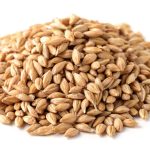
Hydrolyzed wheat protein, a key ingredient in HydraLift, is particularly noted in the hair care community for its similarity to human keratin, suggesting better binding potential compared to less similar proteins. Moreover, wheat protein peptides exhibit excellent solubility and stability in water-based formulations, crucial for consistent performance.
The Importance of Organic Certification
In a landscape where “natural” and “organic” claims abound, third-party certification programs provide clarity and authenticity. The Ecocert COSMOS certification is one of the most rigorous standards in organic cosmetics, requiring that at least 95% of physically processed plant-based ingredients originate from organic farming. Additionally, the title necessitates that 20% of the total product weight be organic, restrictive measures that prevent companies from merely including trace amounts of organic material in otherwise conventional formulations.
The Clean Beauty Movement
The clean beauty trend emphasizes not only what products contain but also what they don’t. Sulfate-free options have gained traction due to growing awareness of the potential harm from traditional sulfates and the perception that effective cleansing doesn’t require aggressive surfactants. Similarly, the exclusion of parabens and silicones addresses ongoing consumer concerns, even as scientific debates continue around these ingredients’ safety.
The preference for simpler, recognizable ingredients has sparked a movement towards “free-from” lists, highlighting products that avoid synthetic fragrances, phthalates, and harmful preservatives.
Navigating the Purchase Experience
Consumers often face challenges when trying new formulations. One key issue is the transition from silicone-laden products to silicone-free alternatives like HydraLift. While silicones provide immediate cosmetic benefits, this can mask the hair’s true condition. Switching products requires an adjustment period as hair detoxifies from the leftover silicone.
Understanding expectations is crucial; protein restoration treatments offer the possibility of improved strength, volume, and texture, but results take time and vary based on individual hair needs, initial conditions, and environmental factors. Many users report noticeable improvements in as little as three to four weeks, but significant changes may take longer and require patience.
Embracing the Subscription Model
The direct-to-consumer model has revolutionized the personal care industry, eliminating additional costs often associated with retail markups and providing consumers with more value for their purchases. Subscription services also enhance convenience, allowing for automatic reorders and often include discounts that can further incentivize consistent use.
Conclusion: Informed Consumer Choices
Pureance’s HydraLift showcases the potential benefits of protein restoration treatments. Its organic ingredients and scientifically-backed approach present a thoughtful option for consumers experiencing age-related hair changes. As the beauty industry continues to evolve, understanding the intersection of science and individual hair needs will empower consumers to make informed choices that reflect their personal care priorities.
For more information about Pureance and its products, consumers can reach out directly to the company for support and guidance on their hair care journey.