

In the realm of health and nutrition, the terms ‘prebiotics’ and ‘probiotics’ frequently emerge in discussions surrounding gut health. For many, the nuances of these elements can be perplexing. A recent inquiry to the Mayo Clinic sheds light on these components and their potential benefits.
What Are Prebiotics and Probiotics?
Prebiotics and probiotics are both integral to maintaining a healthy digestive system. However, they serve different purposes:
– Probiotics are live microorganisms, often referred to as ‘good’ or ‘friendly’ bacteria. These can be found in various foods and supplements, and they help maintain a healthy balance of gut bacteria, which is essential for optimal digestion and overall health.
– Prebiotics, on the other hand, are types of dietary fiber that feed the beneficial bacteria in the gut. They are not digestible by the human body but serve as a food source for probiotics, enhancing their effectiveness and promoting a healthy gut microbiome.
Sources of Prebiotics and Probiotics
Fostering a diet rich in both prebiotics and probiotics can lead to significant health improvements. Here are some sources for each:
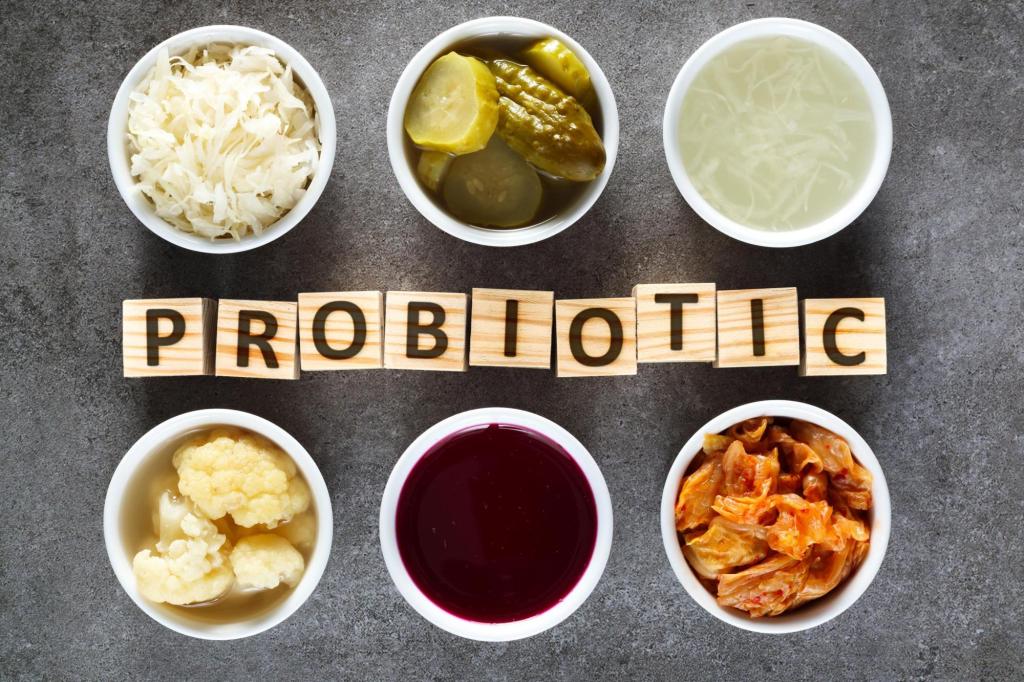
– Probiotic-rich foods include:
– Yogurt
– Kefir
– Sauerkraut
– Miso
– Tempeh
– Kombucha
– Prebiotic-rich foods include:
– Chicory root
– Garlic
– Onions
– Leeks
– Asparagus
– Bananas
– Whole grains
Incorporating these foods into your daily diet can greatly benefit your gut health. A balanced intake of both can enhance your body’s ability to absorb nutrients and may help in preventing gastrointestinal disorders.
Health Benefits of Probiotics
The consumption of probiotics has been linked to a myriad of health benefits. Some notable effects include:
1. Digestive Health: Probiotics can assist in alleviating digestive issues, including diarrhea, constipation, and symptoms of irritable bowel syndrome (IBS).
2. Immune Support: These beneficial bacteria can help bolster your immune system, making you less susceptible to infections.
3. Mental Well-being: Emerging studies suggest a connection between gut health and mental health, indicating that probiotics may help reduce symptoms of anxiety and depression.
Health Benefits of Prebiotics
Prebiotics also contribute to overall health in several significant ways:
1. Gut Flora Balance: They support the beneficial bacteria in the gut, promoting a balanced and healthy gut microbiome.
2. Enhanced Nutrient Absorption: By nourishing probiotics, prebiotics help improve the absorption of vitamins and minerals, such as calcium, magnesium, and iron.
3. Metabolic Health: Some research indicates that prebiotics can aid in managing body weight and improving glucose metabolism, potentially lowering the risk of obesity and type 2 diabetes.
How to Incorporate Prebiotics and Probiotics
To reap the full benefits of prebiotics and probiotics, consider the following tips:
– Mix It Up: Enjoy a variety of probiotic-rich foods regularly while including different sources of prebiotics to diversify your nutrient intake.
– Balanced Meals: Plan meals that incorporate both prebiotic and probiotic elements. For instance, a yogurt parfait topped with banana slices and a sprinkle of oats can provide a tasty and nutritious combination.
– Supplements: If dietary sources are insufficient, consider probiotic supplements after consulting with your healthcare provider.
Final Thoughts
Understanding and incorporating prebiotics and probiotics into your diet can significantly benefit your health. While both play distinct roles in enhancing gut wellness, their combined effects can help promote overall health.
Should you have additional questions regarding your dietary choices, consulting a healthcare professional or a registered dietitian can provide personalized guidance tailored to your specific needs. Making simple dietary changes can lead to profound improvements in your health and well-being. Embracing prebiotics and probiotics is a step towards a healthier gut and a more vibrant life.
By Mayo Clinic News Network