

By using this site, you agree to the Privacy Policy and Terms of Use.
Accept
December 15, 2025 8:58 AM EST
Medical Herald
Search
  • Health Conditions
    Health ConditionsShow More
    Diet Drinks Linked to Increased Liver Disease Risk, Study Finds
    Health Conditions
    Experts Urge Rethink on Prediabetes Diagnosis and Treatment
    Diabetes
    Study Highlights Rising Heart Risks in Pregnant Women
    Pregnancy & Parenting
    ‘New Mom School’ Helps Women Through Postpartum Challenges
    Pregnancy & Parenting
    Beware of Counterfeit Weight Loss Drugs Sold Online
    Weight Management
  • Wellness & Self-Care
    Wellness & Self-CareShow More
    Aflac Survey Reveals Surge in Worker Burnout and Anxiety
    Mental Health
    Dr. Cassandra M. Klyman: A Distinguished Leader in Psychiatry, Psychoanalysis, and Mental Health Policy
    Mental Health
    Heart Health: Simple Daily Habits for Everyone
    Heart Health
    Introducing the Hormometer: Track Cortisol at Home
    Wellness & Self-Care
    First Responders Turn to Ketamine for Mental Health Relief
    Mental Health
  • Nutrition & Fitness
    Nutrition & FitnessShow More
    Fibermaxxing: The Rising Trend in Nutritional Focus
    Diet & Nutrition
    Gutzy Organic Launches Healthy Prebiotic Protein Smoothies
    Diet & Nutrition
    Achieve Your Nutrition Goals with Nourish and Insurance
    Nutrition & Fitness
    Delicious Roasted Salmon with Olives from Dan Pelosi
    Healthy Recipes
    Short Exercise Bursts: A New Trend in Fitness?
    Fitness
  • Innovation
    InnovationShow More
    Dr. Hosen Kiat: Advancing the Frontiers of Cardiovascular Science
    Innovation
    FDA Issues Warning for J&J and Legend’s Cancer Treatment Carvykti
    Drugs & Medications
    GLP-1 Medications Transform Health and Household Budgets
    Drugs & Medications
    Drug Tied to Fatal Crashes and Risks of Weight-Loss Pills
    Drugs & Medications
    GLP-1 Medications Like Ozempic May Affect Medical Scan Results
    Drugs & Medications
  • News
    NewsShow More
    New Leadership at Parenting Resource Center in Austin
    News
    Advances in Nigeria’s Real-Time NTD Treatment Reporting System
    News
    WIC Program Secures $300M Amid Government Shutdown Concerns
    News
    Guy Benson Shares Early Cancer Diagnosis and Encourages Skin Checks
    News Skin Care
    Congress Stalemate Threatens Health Insurance for Millions
    News
Font ResizerAa
Medical HeraldMedical Herald
  • Health Conditions
  • Wellness & Self-Care
  • Nutrition & Fitness
  • Innovation
  • News
Search
  • Health Conditions
  • Wellness & Self-Care
  • Nutrition & Fitness
  • Innovation
  • News
Follow US
Copyright © 2025, Medical Herald. All Rights Reserved.
Home » Innovation » Drugs & Medications » GLP-1 Medications Like Ozempic May Affect Medical Scan Results

GLP-1 Medications Like Ozempic May Affect Medical Scan Results

By Samuel Lee
Published: November 4, 2025
Share

Researchers have uncovered an unexpected side effect associated with GLP-1 agonists, including popular diabetes and obesity medications such as Ozempic, Wegovy, Mounjaro, and Zepbound. These treatments, widely used for their benefits in managing weight and diabetes, might interfere with medical imaging techniques, particularly PET and CT scans.

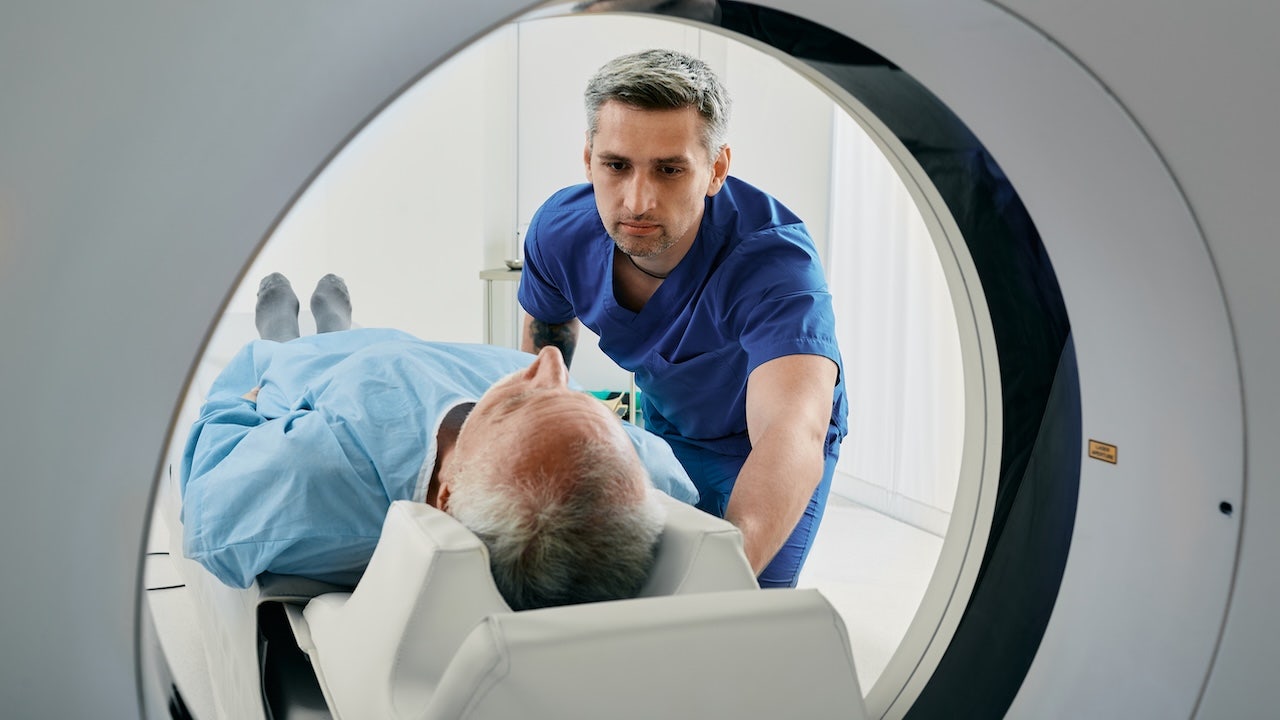
CT scans provide detailed internal images that help detect injuries, tumors, and other medical conditions. PET scans, on the other hand, are predominantly utilized for examining organ and tissue function, assessing cancer activity, and monitoring treatment responses.

A recent case review was presented at the 38th Annual Congress of the European Association of Nuclear Medicine held in Barcelona, Spain. In this study, researchers analyzed imaging results from cancer patients undergoing treatment with GLP-1 medications. They discovered some unexpected results that could easily be misinterpreted as indicative of disease.

Dr. Peter Strouhal, the lead author and medical director at Alliance Medical Ltd. in the U.K., noted, “We noticed an unusual uptake in one of our patients on a GLP-1 agonist, which prompted a wider review across our network. We found that these altered patterns are increasingly common, yet there is currently no national or international guidance in the U.K. addressing this emerging issue. It’s something we’ll keep an eye on in our industry, but more information is needed.”

Misinterpreted scan results could lead to unnecessary tests, incorrect cancer diagnoses, and treatment delays. This can understandably induce significant stress and anxiety for patients awaiting clarity on their health status. Dr. Strouhal emphasized the importance of understanding how GLP-1 medications influence imaging, stating, “Knowing how GLP-1 medications can affect scan images helps doctors avoid confusion and unnecessary procedures, so patients get the right care quickly and confidently.”

Despite these findings, the researchers do not advise patients to discontinue their GLP-1 medications before undergoing imaging. However, they stress that medical imaging teams should be aware of any medications their patients may be taking when interpreting scan results.

Looking to the future, the research team aims to compile more data from imaging centers worldwide to further substantiate their findings.

Dr. Sue Decotiis, a medical weight loss specialist based in New York City, cautioned that the results of the study are still in the preliminary stages. “They just noticed an increase, but it didn’t mention which organs or specific body parts,” she explained, emphasizing the need for more comprehensive data to discern the significance of these findings. She stated, “It will be important to see more data from many more patients to understand exactly what they saw. It’s something we’ll keep an eye on in our industry, but more information is needed.”

Adam Wolfberg, M.D., chief medical officer at Virta Health in Massachusetts, echoed concerns regarding the implications of the study. He pointed out that GLP-1 medications alter how glucose is metabolized, which could affect the tracer agents used in PET scans that are based on glucose. “Since the tracer agent used in these PET scans contains glucose, uptake of the agent — a metabolic ‘dye’ of sorts — can be impacted,” he noted.

Despite this potential complication, Dr. Wolfberg does not view the findings as a significant concern. He remarked, “PET scans are always interpreted in the context of the whole patient. A skilled oncologist or radiologist would always take into account a patient’s medical history as well as the medications they are taking when reading this type of scan.”

He agreed that further data and more extensive research will be necessary before any substantial changes to medical practice are warranted. Fox News Digital reached out to the researchers and manufacturers of GLP-1 medications for additional comments regarding these findings.

As the understanding of GLP-1 medications continues to evolve, both patients and healthcare providers alike will benefit from clear guidelines and updated information to ensure accurate diagnoses and appropriate treatment pathways.Drugs & Medications

Share This Article
Facebook LinkedIn Email Copy Link
Leave a Comment

Leave a Reply Cancel reply

Your email address will not be published. Required fields are marked *

HOT NEWS

Aflac Survey Reveals Surge in Worker Burnout and Anxiety

December 4, 2025

New Leadership at Parenting Resource Center in Austin

Crystal Vandevender joins PRC Austin as executive director, bringing strong leadership and a renewed vision…

December 4, 2025

Dr. Cassandra M. Klyman: A Distinguished Leader in Psychiatry, Psychoanalysis, and Mental Health Policy

Dr. Cassandra M. Klyman’s influential career spans psychiatry, psychoanalysis, education, and mental health policy, shaping…

November 28, 2025

Dr. Hosen Kiat: Advancing the Frontiers of Cardiovascular Science

Dr. Hosen Kiat, a leading cardiologist and researcher, is redefining heart care through innovation in…

November 11, 2025

YOU MAY ALSO LIKE

AstraZeneca Partners with Algen for Immunology Drug Discovery

AstraZeneca partners with Algen Biotech in a $555M AI and CRISPR deal to accelerate immunology drug discovery using Algen’s advanced…

October 13, 2025

Annual COVID Vaccines Essential for Severe Disease Protection

A new study reveals COVID boosters cut deaths by 64% and hospitalizations by 39%, offering protection across all age groups…

October 21, 2025

Study: Medications Alter Gut Health Long After Use

Researchers find that most common drugs may cause lasting gut microbiome changes, highlighting the need for mindful medication and diet…

October 22, 2025

White House Launches ‘TrumpRX’ Drug Site, Pfizer Cuts Prices

President Trump introduces TrumpRX, a direct-to-consumer platform aimed at lowering prescription drug costs and improving medication access nationwide.

October 7, 2025

Medical Herald is your trusted source for medical news, scientific research, health policy updates, and expert insights from around the world. 

Category

  • Health Conditions
  • Wellness & Self-Care
  • Nutrition & Fitness
  • Innovation
  • News
  • Privacy Policy
  • About Us
  • Contact

Follow US: 

  • Grow Big Agency Sites:
  • London Business Journal
Copyright © 2025, Medical Herald. All Rights Reserved.
Welcome Back!

Sign in to your account

Username or Email Address
Password

Lost your password?