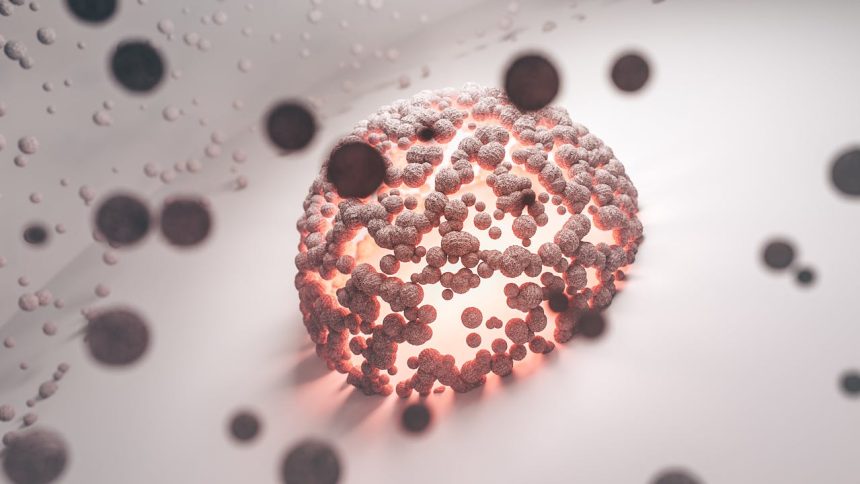







AI-powered precision nutrition is changing the way we eat. Instead of following the same diet rules for everyone, this technology studies your unique body, your DNA, your gut health, and your blood sugar, and builds a food plan made just for you. As a result, you no longer have to guess what is healthy. You get clear answers based on real science.
What Is AI-Powered Precision Nutrition?
Simply put, AI-powered precision nutrition uses computer programs to study your personal health data. For example, it can check how your blood sugar reacts when you eat a banana versus a slice of bread. Because every person is different, this approach helps you find the exact foods that work best for your body.
Therefore, you stop wasting time on trendy diets that do not fit your biology. This is one of the most exciting advances in biotech innovation today.
Key Benefits of a Personalized Diet Plan Powered by AI
There are many reasons why people are switching to AI-guided eating. Here are the most important ones:
| Benefit | What It Means for You |
| Better weight control | AI predicts which foods help you burn fat or build muscle |
| More energy | You avoid foods that cause crashes, so you stay alert all day |
| Disease prevention | Targeted nutrition lowers your risk of diabetes and heart disease |
| No more guessing | Science replaces old calorie-counting methods |
| Long-term health | AI adjusts your plan as your body changes over time |
Furthermore, this approach is especially useful for people managing conditions like diabetes, menopause, or heart disease.
Traditional Dieting vs. AI-Powered Precision Nutrition: What’s the Difference?
| Feature | Traditional Dieting | AI-Powered Precision Nutrition |
| Data source | General food guidelines | DNA and gut microbiome analysis |
| Flexibility | Fixed rules | Real-time adjustments |
| Goal | Generic weight loss | Metabolic optimization |
| Accuracy | Low, one plan for all | Very high, built for you |
As you can see, traditional diets treat everyone the same. In contrast, AI precision nutrition treats you as an individual.
How Does It Actually Work?
Getting started is simpler than you might think. First, you provide a small biological sample, either a blood test or a stool kit. This sample tells the AI about your gut microbiome, which includes the trillions of bacteria living inside you. These bacteria play a huge role in how you digest food and absorb nutrients.
Next, you may wear a Continuous Glucose Monitor (CGM), a tiny device that tracks your sugar levels in real time. The AI then connects your blood sugar responses to the specific foods you eat. Consequently, you get a clear and personal picture of how your body handles food.
According to precision nutrition research from the National Institutes of Health, this kind of data-driven approach may significantly reduce the global risk of chronic disease.
How AI Nutrition Helps Prevent Chronic Disease?
One of the most promising uses of this technology is disease prevention. For people dealing with inflammation, Parkinson’s disease, or hormonal changes during menopause, the right diet can make a real difference.
For instance, if your data shows high inflammation markers, the AI may suggest eating more Omega-3 fatty acids and antioxidant-rich foods. These targeted food choices reduce symptoms and support longevity. Moreover, regular updates from the AI ensure your diet keeps working as your health changes.
The Role of Wearable Tech in Smart Nutrition
Wearable devices such as smartwatches play a big role in this system. These gadgets track your sleep, stress levels, and daily activity. Since stress directly affects how you digest food, the AI uses all of this information to adjust your meal plan every day.
How Wearables Improve Your Diet Plan in Real Time?
For example, if you slept poorly last night, the AI might suggest a breakfast that helps balance your cortisol levels. This hormone affects your appetite and energy, so managing it through food is very important. As a result, you feel better, without needing to think too hard about what to eat.
You can learn more about the connection between wearable health devices and nutrition tracking at Healthline.
Is It Easy to Use? Yes, Here’s Why?
Many people worry that “AI” sounds complicated. However, the experience is actually very simple. Most services offer a smartphone app where you just take a photo of your meal. The AI then identifies the ingredients and tells you whether that food fits your biological score.
Additionally, the app can suggest healthy recipes based on what you already have in your fridge. This makes good nutrition accessible to everyone, from busy parents to professional athletes. It is like having a personal nutritionist available 24 hours a day, 7 days a week.
For more guidance on building a healthy eating plan, check out our internal guide on personalized meal planning and our article on fitness trends and technology.
The Future of Food: AI and Nutrition Working Together
We are moving into a new era of health, where food and medicine work together. AI-powered precision nutrition removes the guesswork and gives you a plan built around your body’s real needs. Whether your goal is to lose weight, manage a health condition, or simply feel better every day, this technology supports you every step of the way.
To sum up, AI-powered precision nutrition is not just a trend, it is the future of healthy living. By using smart data and real biology, it helps you make better food choices, prevent disease, and feel your best for years to come. Start exploring this technology today and take the first smart step toward a healthier you.