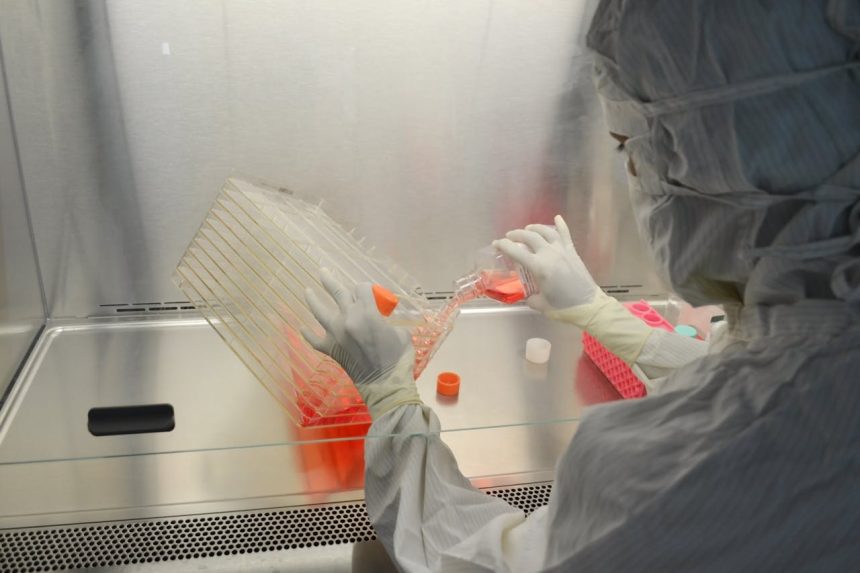






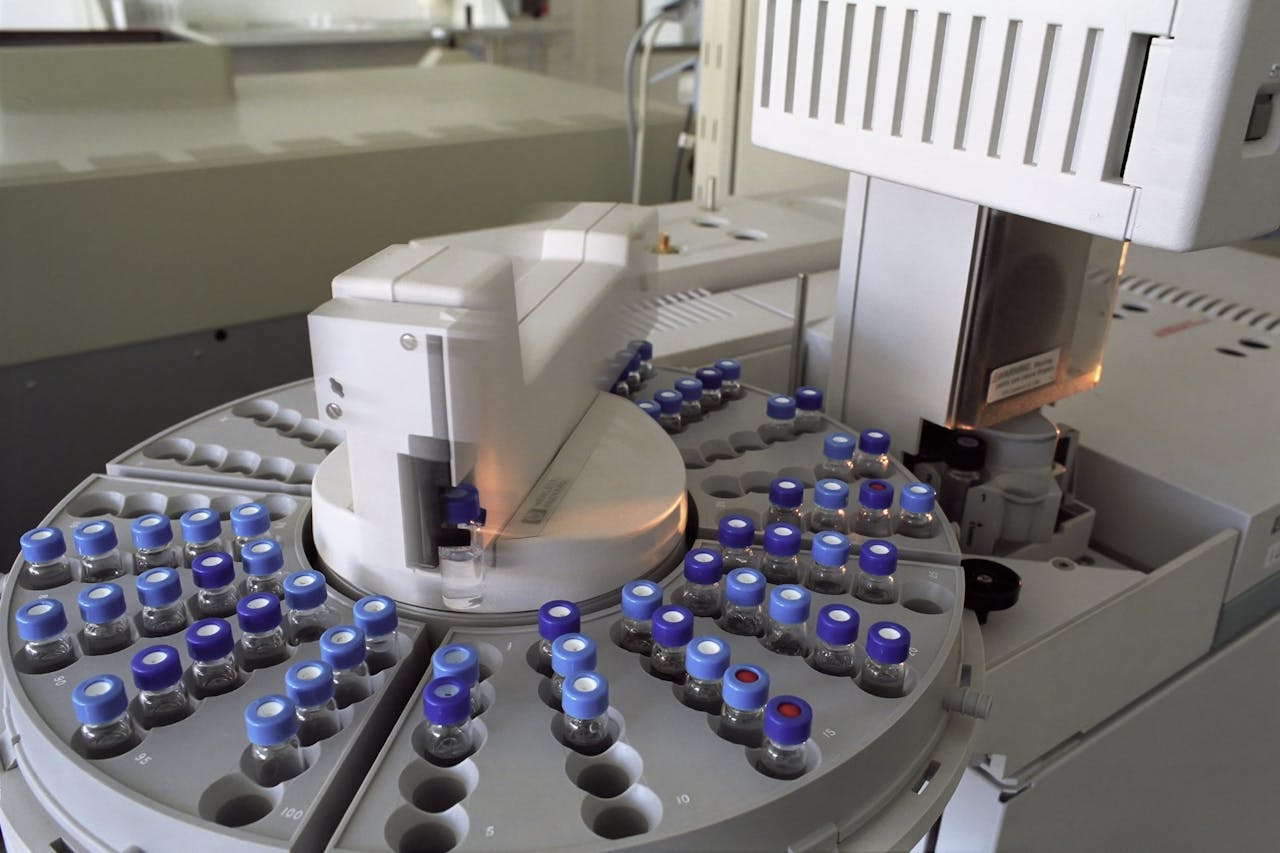
Biotech lab sustainability is changing the way scientists work. Research labs are known for saving lives. However, they also leave a large environmental footprint. Today, labs use much more energy and water than regular offices. They also produce tons of plastic waste each year. Fortunately, a new movement is helping labs cut waste, save energy, and protect the planet, without slowing down important medical discoveries.
Why Biotech Lab Sustainability Matters More Than Ever?
A single research lab can generate enormous amounts of plastic waste. Think of the pipette tips, petri dishes, and plastic tubes used every day. Most of these items are thrown away after just one use. Additionally, ultra-low temperature freezers in labs can use as much electricity as an entire household.
Because of this, going green in the lab is no longer optional. It has become a top priority for research institutions around the world. Furthermore, when labs save energy and cut waste, they also save money. Those savings can then go back into researching cures for diseases like cancer, Alzheimer’s, and diabetes.
Top Green Lab Practices That Are Changing Research
Switching to a sustainable lab does not have to be complicated. In fact, many simple changes can make a big difference. Here are the most effective green lab practices being used today.
Energy Efficiency in the Lab
One of the easiest wins is turning off equipment when it is not in use. For example, fume hoods left open all day waste a huge amount of electricity. Closing them when idle can cut energy use by up to 50%. Similarly, switching to LED lighting lowers the carbon footprint and reduces utility bills at the same time.
The -70°C Freezer Movement
Many labs store biological samples at -80°C. However, scientists have found that raising the temperature to just -70°C keeps samples just as safe. This small change reduces energy use by about 30%. As a result, more labs are joining the -70°C movement every year.
Reducing Plastic Waste in Research
Plastic is a major problem in biotech. Therefore, many labs are now switching to glassware wherever possible. Moreover, specialized recycling programs help labs recycle “clean” plastics that would normally go to landfills. Green chemistry is also gaining popularity. Scientists are choosing less toxic chemicals to reduce hazardous waste from experiments.
| Green Action | Environmental Benefit | Financial Impact |
| LED Lighting | Lower carbon footprint | Reduced utility bills |
| Closing Fume Hoods | Saves 50% energy per hood | Significant cost savings |
| Using Glassware | Less single-use plastic | Lower disposal fees |
| Water Filtration | Saves thousands of gallons | Sustainable water use |
| -70°C Freezers | 30% less energy used | Lower electricity costs |
How Microfluidics Is Cutting Lab Waste in Drug Development?
Developing new drugs requires thousands of experiments. Each test uses plastic tubes and chemical reagents. As a result, waste builds up very quickly in drug development labs.

However, a technology called microfluidics is changing this. It allows scientists to run tests using tiny amounts of liquid. Therefore, they use fewer chemicals and create less trash. Microfluidics is a key part of eco-friendly biotechnology. It allows high-speed research with a much smaller environmental impact.
The Link Between a Healthy Environment and Human Health
We cannot have healthy people on a sick planet. Pollution and climate change are directly linked to serious health conditions. These include heart disease, lung problems, and respiratory illnesses. Therefore, by focusing on biotech lab sustainability, the medical community is also protecting public health.
Moreover, green labs create a safer work environment. Better ventilation and fewer toxic chemicals mean healthier staff. When researchers feel well, they are more productive. This leads to faster breakthroughs in areas like brain health, heart health, and longevity. You can learn more about environmental health standards from the U.S. Environmental Protection Agency (EPA).
How You Can Support Green Science Today?
You might wonder how an everyday person can help. As a consumer, you can actively support companies that prioritize sustainability. Look for biotech firms that publish annual sustainability reports. These documents show how they are reducing carbon emissions and waste.
Additionally, many universities and schools are now joining the My Green Lab certification program. Supporting these initiatives drives the entire industry toward a cleaner future. Whether you care about nutrition, fitness, or the latest medical news, staying informed about green science makes a real difference.
What the Future of Sustainable Biotech Looks Like?
The future of eco-friendly research looks very promising. More labs are being powered by solar energy. In addition, biodegradable lab supplies are currently in development. These items will break down naturally instead of sitting in a landfill for hundreds of years.
Furthermore, governments in the USA and Europe are already offering grants to energy-efficient labs. This financial support makes it easier for smaller labs to go green. Consequently, sustainable practices will become the global standard in research.
Ultimately, biotech lab sustainability is the only way to ensure a healthy future for both patients and the planet. By choosing smarter habits today, the scientific community sets a powerful example for every industry to follow.