






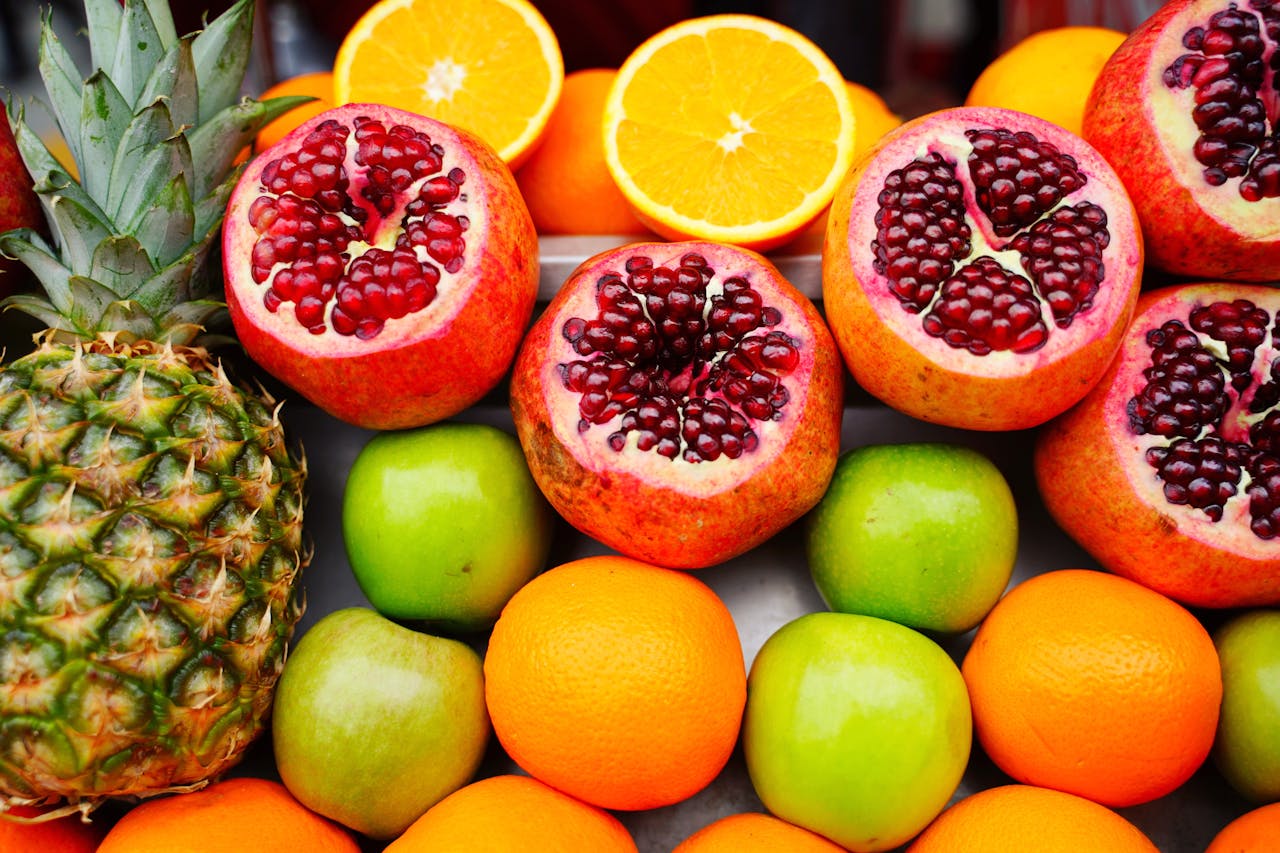
Are you tired of fad diets that promise results but leave you feeling worse? Regenerative Nutrition is a smarter, science-backed way to eat. It focuses on real, whole foods grown in healthy soil. As a result, your body gets the nutrients it truly needs to function at its best.
Moreover, this approach does more than just improve your health. It also helps protect the planet. Therefore, when you choose Regenerative Nutrition, you make a powerful choice for both your body and the environment.
What Is Regenerative Nutrition?
Simply put, Regenerative Nutrition links the health of your body to the health of the Earth. When soil is rich and full of life, the food it grows carries more vitamins, minerals, and antioxidants. In contrast, soil damaged by chemicals produces food with far fewer nutrients.
Furthermore, this way of eating focuses on whole, seasonal foods. Think fresh vegetables, fruits, and grass-fed proteins. These foods give your body the building blocks it needs to repair cells and fight disease naturally.
How Soil Health Directly Affects Your Gut Health?
Here is a fact most people do not know: your gut health is closely connected to the bacteria found in the soil. When farmers use regenerative practices, the soil becomes rich in microbial life. Consequently, the plants grown in that soil carry those beneficial microbes straight to your plate.
When you eat those plants, you feed your gut microbiome. A healthy gut, in turn, reduces chronic inflammation, a key driver behind conditions like Diabetes, Heart Disease, and even Parkinson’s Disease. In other words, what you eat is also preventive medicine.
For more on the gut-soil connection, visit the Rodale Institute, a trusted leader in regenerative farming research.
Top Benefits of Eating Regeneratively
Switching to this diet offers real, measurable benefits. Here is what you can expect:



| Benefit | What It Means for You |
| Better Digestion | High-fiber, chemical-free foods keep your gut moving smoothly and reduce bloating. |
| More Energy | Nutrient-dense foods help your cells produce energy efficiently, no more afternoon crashes. |
| Stronger Immunity | Zinc and Vitamin C from healthy soil strengthen your immune system to fight infections. |
| Mental Clarity | A healthy gut reduces brain fog and lifts your mood, thanks to the gut-brain connection. |
| Healthier Skin | Omega-3 fatty acids from grass-fed foods reduce inflammation and improve your skin’s glow. |
| Longer Life | Reducing inflammation lowers the risk of chronic diseases and supports healthy aging. |
Regenerative vs. Standard Modern Diet: A Quick Comparison
| Feature | Standard Modern Diet | Regenerative Nutrition |
| Soil Quality | Depleted, chemical-heavy | Rich, biodiverse, and living |
| Nutrient Level | Lower vitamins & minerals | Maximum nutrient density |
| Environmental Impact | Harmful to ecosystems | Restores and regenerates soil |
| Health Focus | Quick energy, convenience | Longevity & cellular repair |
| Gut Microbiome | Often disrupted | Actively nourished |
How to Start Your Regenerative Nutrition Journey (Step by Step)?
You do not need to change everything at once. Instead, take small steps that build real habits over time.
- Visit Local Farmers’ Markets: Ask farmers how they grow their food. Look for those who use organic or regenerative practices. Fresh, local produce is naturally more nutrient-dense.
- Look for Regenerative Labels: Choose products labeled Regenerative Organic or Grass-Fed. These contain higher levels of Omega-3 fatty acids, which are excellent for skin health and reducing joint pain. The Regenerative Organic Alliance is a great resource for certified products.
- Eat a Wide Variety of Plants: The more colors on your plate, the more diverse your nutrient intake. Therefore, try to include at least five different vegetables each day.
- Cut Back on Ultra-Processed Foods: Replace packaged snacks with whole food alternatives like nuts, fresh fruit, or fermented foods such as yogurt and kimchi.
- Stay Hydrated with Filtered Water: Filtered water helps your body absorb all the new minerals from your food. Aim for at least 8 glasses per day.
- Add Fermented Foods for Gut Support: Foods like kefir, sauerkraut, and miso are rich in probiotics. They directly feed your gut microbiome and boost your immunity.
Who Should Consider Regenerative Nutrition?
This approach benefits almost everyone. However, it is especially helpful for people who:
- Are managing chronic conditions like Diabetes, Heart Disease, or Parkinson’s Disease
- Want to improve their gut health and reduce digestive problems
- Experience low energy, brain fog, or mood swings
- Are focused on healthy aging and longevity
- Want to reduce their environmental footprint through food choices
- Are interested in improving skin health, mental clarity, or immune function
Final Thoughts: Your Health Starts with the Soil
The way we grow and eat food has a direct impact on how long and how well we live. In conclusion, Regenerative Nutrition gives you a clear, evidence-based path to better health. It is not a trend. It is a return to the way food was always meant to be grown and eaten.
Whether you are managing a condition like Parkinson’s Disease or simply looking to boost your energy and mental clarity, the answer is the same: start with real food from healthy ground.
Therefore, take your first step today. Visit a farmers’ market. Read a label. Add one more vegetable to your dinner plate. Every small choice adds up. When you commit to Regenerative Nutrition, you are not just eating better, you are investing in a longer, healthier, and more vibrant life.