






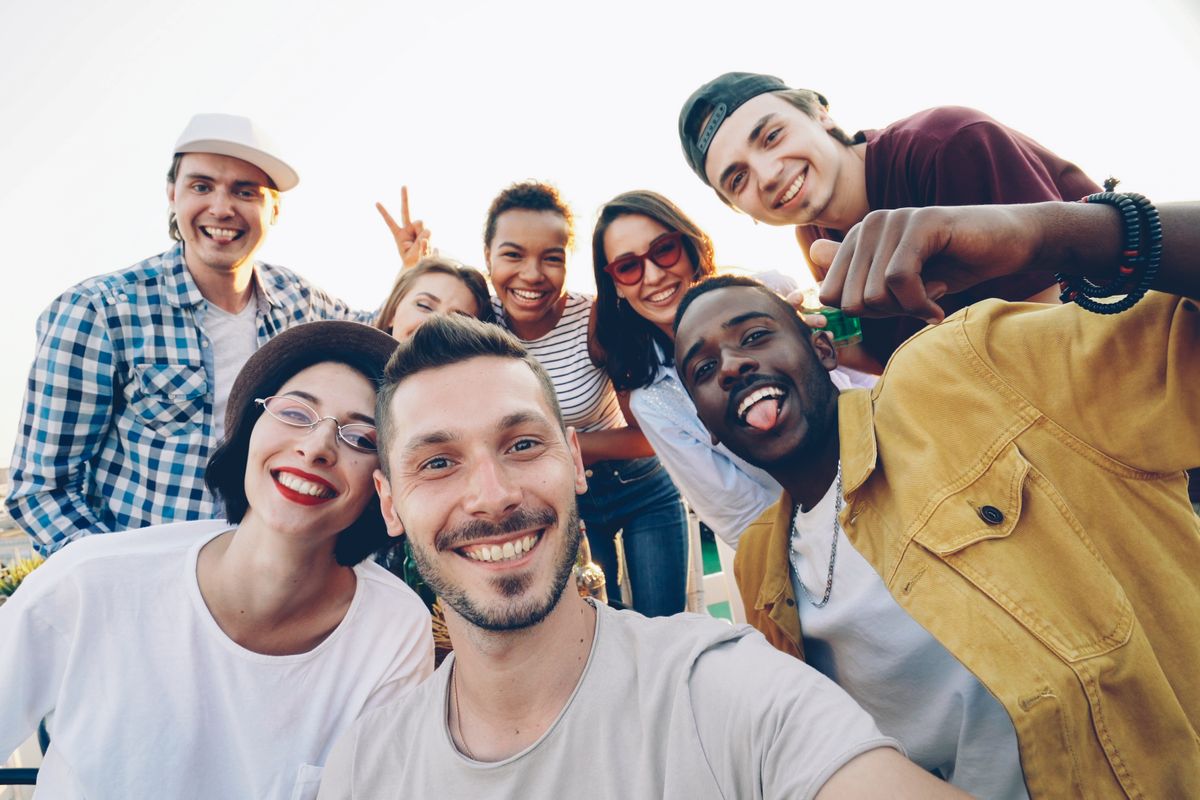
When people think about medicine, they usually picture pills or hospital visits. However, one of the most powerful healers available to us is completely free, and it lives in our everyday relationships. Social connection as medicine is a growing area of health science, and the research is clear: the quality of your social life can directly affect how long and how well you live.
What Science Says About Loneliness and Your Body?
How Loneliness Triggers a Stress Response?
Loneliness is not just a feeling. It is a physical state. According to the U.S. Surgeon General’s Advisory on loneliness, chronic isolation can be as harmful as smoking 15 cigarettes a day. When you feel alone, your body activates a “fight or flight” response. As a result, stress hormones rise, causing long-term inflammation throughout the body. Over time, this silent inflammation raises your risk for heart disease, diabetes, and even cancer.
How Oxytocin Protects Your Heart?
On the other hand, warm and positive social interactions trigger the release of oxytocin, often called the “bonding hormone.” This chemical lowers blood pressure, reduces cortisol levels, and actively protects your cardiovascular system. Therefore, every meaningful conversation you have is doing real, measurable good for your heart.
Social Connections and Brain Health: Why They Matter as You Age
Can Social Activity Lower Your Risk of Alzheimer’s?
As we age, keeping the brain sharp becomes a top priority. Fortunately, social interaction is one of the best brain exercises there is. Talking with others requires you to listen carefully, process emotions, and respond thoughtfully, all of which engage multiple regions of the brain at once. Moreover, studies show that people who stay socially active have a significantly lower risk of developing Alzheimer’s disease and other forms of dementia. You can learn more about social isolation and aging from the National Institute on Aging.
Physical Health Benefits of Strong Social Bonds
The benefits of community go far beyond the brain and heart. People with rich social lives tend to recover from illnesses faster. They also report less pain, better sleep, and stronger immune systems. The table below shows how positive social connections affect key areas of your health:
| Health Area | Benefit of Social Connection |
| Heart Health | Lower risk of heart attack and stroke |
| Immune System | Stronger response to viruses and illness |
| Brain Health | Reduced risk of dementia and cognitive decline |
| Mental Health | Lower rates of anxiety and depression |
| Longevity | Up to 50% increased chance of survival |
Social Connection and Chronic Disease: Why Support Groups Work?
For people managing chronic conditions like cancer, diabetes, or Parkinson’s, emotional support makes a huge difference. Support groups give patients a safe space to share challenges and practical tips. Consequently, people who feel understood by their peers are far more likely to follow their treatment plans and stay motivated. The CDC confirms that social connectedness is a key factor in both mental wellness and community resilience.
Why Technology Alone Cannot Replace Human Connection?
Today, many people feel lonely despite being constantly connected online. Scrolling through social media often leaves us feeling empty rather than satisfied. While digital tools can help us find groups or stay in touch, they cannot replace the warmth of a real hug or a shared meal. For true health benefits, we need “high-touch” connection, face-to-face time, phone calls with depth, and moments that make us feel genuinely seen.
Simple Steps to Build a Healthier Social Life Today
- Join a local group: A walking club, yoga class, or community garden puts you around like-minded people regularly.
- Volunteer your time: Helping others is one of the fastest ways to build meaningful bonds and boost your own happiness.
- Schedule regular catch-ups: Don’t wait for a reason. Call a friend this week, even a 10-minute check-in counts.
- Practice active listening: Deepen the relationships you already have by truly paying attention when others speak.
- Reconnect with family: Small gestures, a text, a card, a visit, can repair and strengthen family bonds over time.
How Doctors Are Prescribing Social Activity?
The medical world is catching up. In some regions, doctors now “prescribe” community activities to patients the same way they prescribe medication. This exciting shift shows that the healthcare system finally recognizes that a healthy lifestyle includes human connection, not just nutrition and exercise. Research published in the NIH’s PubMed supports this approach, linking strong social ties to measurably better health outcomes.


Social Connection, Longevity, and a Life Worth Living
Living a long life is about more than adding years. It is about filling those years with purpose and energy. Older adults who take part in community activities consistently report feeling more youthful, more motivated, and more emotionally stable. Belonging to something larger than yourself gives you a reason to get up each morning, a trait found in nearly all of the world’s longest-living populations.
In conclusion, social connection as medicine is not just a metaphor. It is a well-researched, science-backed approach to living better and longer. Start small, send a message, make a call, or show up for someone today. Your health will thank you for it.